
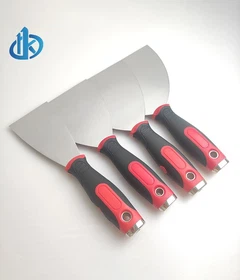


If plastering were a dance, the trowel would be your partner-and you want a partner that moves with you, not against you. So, what makes the best plastering trowel? Let's cut through the jargon and get to the good stuff.
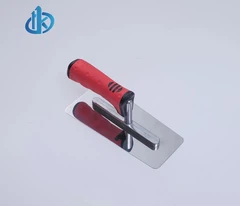
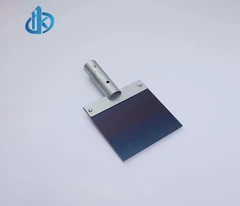
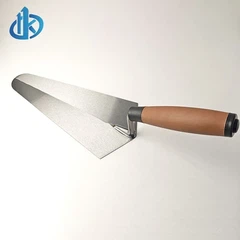
Hands down, the stainless steel finishing trowel takes the crown for most jobs. Here's why: its blade is smooth as silk, which means it glides over wet plaster without dragging or leaving streaks. Stainless steel is also a workhorse-it resists rust, won't react with the plaster (no weird discoloration!), and cleans up in a snap with just a wipe. Length matters too: 12 to 14 inches is the sweet spot. Too short, and you'll be making a million tiny passes; too long, and it gets unwieldy, especially if you're new to plastering.
But wait-there's a wildcard: the plastic trowel. It's softer than steel, so it's gentler on fresh plaster, making it great for beginners who might press too hard. It won't leave shiny marks (a common issue with steel if you're heavy-handed) and is lightweight, which is easy on the arms during long jobs. The downside? It's not as durable-steel can take a knock against a wall, but plastic might crack.
Then there's the handle. Look for one with a rubber grip that molds to your hand-think of it as a pillow for your palm. You'll be pushing, pulling, and smoothing for hours, and a cheap, hard handle will turn your hand into a cramp factory.
So, for pros and serious DIYers, a 12-inch stainless steel finishing trowel with a rubber grip is unbeatable. It's tough, smooth, and built to last. Beginners might prefer a plastic version to ease into the rhythm. Either way, the best trowel is the one that feels like an extension of your arm-because when that happens, your plaster will look like it was applied by magic.
Our Products


