



What is the difference between a margin trowel and a pointing trowel
[Linyi News] As construction tools become more specialized, a common question arises among builders and DIYers alike: What is the difference between a margin trowel and a pointing trowel? According to Linyi Hanke Tools Co., Ltd., this query has become increasingly common in international client inquiries and export feedback.
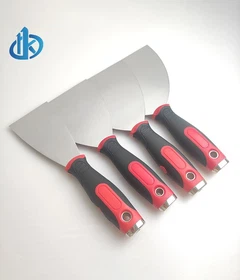
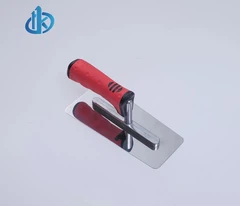
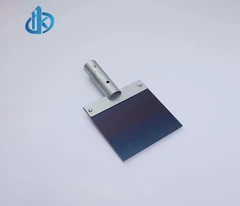
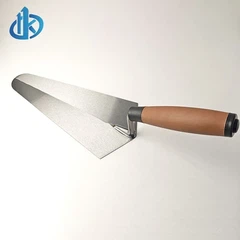
Though similar in appearance, the two tools serve distinct purposes. A margin trowel features a rectangular blade ideal for working in tight spaces-such as along walls, corners, or mold edges-where linear smoothing or precise adhesive application is needed. In contrast, a pointing trowel has a triangular or pointed blade, making it perfect for mortar patching between bricks or detailed joint finishing-excelling in "spot" work and edge control.

Hanke explains: margin trowels are primarily used for adhesive work, epoxy applications, or fine concrete edging; pointing trowels, on the other hand, are staples in masonry for joint repair and mortar detail. One focuses on edges and lines, the other on points and accuracy.
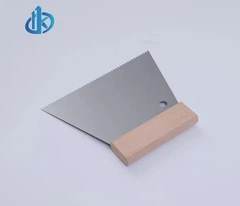
Both types are commonly made with stainless or high-carbon steel and paired with wood or rubber-plastic handles. Hanke places emphasis on blade thickness and flexibility to adapt to varied construction habits. Regional construction styles also influence tool design, and Hanke has refined its product lines in response to global feedback.
For new users, distinguishing these two trowels can enhance both work quality and efficiency. As detailed finishing continues to gain importance, margin and pointing trowels will each play a vital role in their respective applications.


