
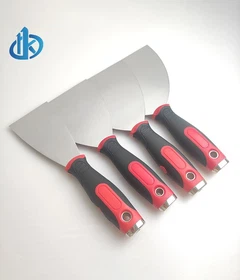
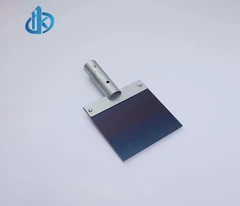

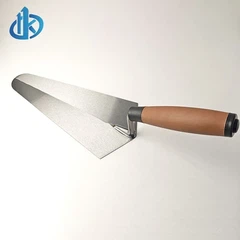

Great question-plastic and metal scrapers are like two different tools for two different jobs. They both scrape, but they're better for different things, and knowing the difference saves you from damaging surfaces or ruining the scraper. Let me break it down by key points.
First, surface safety. Plastic scrapers are soft, so they won't scratch delicate surfaces-like nonstick pans, glass, wood, tile, or car paint. I use plastic for anything I don't wanna damage: cleaning nonstick pans, scraping stickers off glass jars, or removing crayon from walls. Metal scrapers, though, are sharp and hard-they scratch easily. They're good for tough surfaces like concrete, brick, or old wood (where scratches don't matter), but bad for delicate stuff. I once used a metal scraper on a nonstick pan and ruined the coating-never again!
Next, heat resistance. Most plastic scrapers are heat-resistant (but check the label!), but they can melt if you use them on super high heat (like a hot grill). Metal scrapers, though, are totally heat-resistant-you can use them on hot surfaces like grills, ovens, or campfires without worrying about melting. I use a metal scraper to clean my grill grates-plastic would melt right away.
Then, toughness. Metal scrapers are way tougher than plastic. They can scrape off thick, dried-on stuff like old paint, concrete, or rust. Plastic scrapers are good for lighter jobs-like stickers, food residue, or wax-but they can bend or break if you push too hard. I once tried to scrape old linoleum with a plastic scraper, and it snapped in half; a metal scraper would have handled it easily.
Finally, weight and ease of use. Plastic scrapers are lightweight, so your hand doesn't get sore if you use them for a long time. They're also easy to grip and maneuver in tight spots (like around a nonstick pan's edges). Metal scrapers are heavier, which gives you more leverage for tough jobs, but they can be tiring to use for a long time.
So here's my rule: use plastic for delicate surfaces and light jobs (nonstick pans, glass, stickers). Use metal for tough surfaces and heavy jobs (grills, old paint, concrete). I keep both in my toolbox-you never know which one you'll need!


