
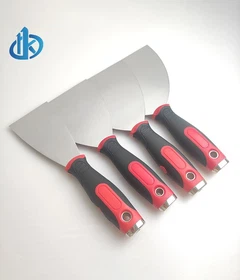
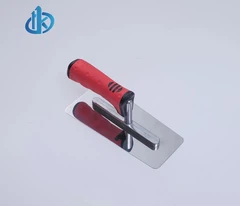
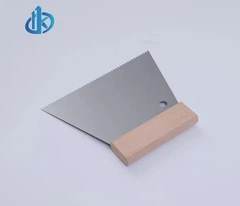
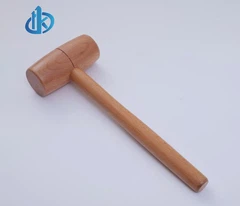
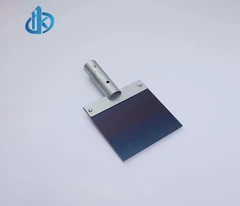

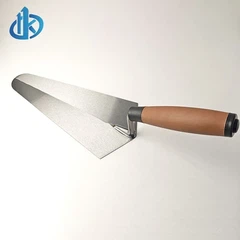

If tools had a high school yearbook, tape knives and putty knives would be voted "Most Likely to Be Confused" and "Most Likely to Specialize." They look similar at first glance-both have flat, metal blades and handles-but their superpowers are totally different.
Let's start with the tape knife. This is the drywall pro's right-hand man. Its blade is long (6 to 12 inches) and super flexible, like a metal ribbon. Why? Because it's designed to work with drywall tape.
When you're sealing the seams between drywall panels, you lay the tape, then use the tape knife to spread joint compound over it-smooth, even, and bubble-free. The flexibility lets it glide over the tape without tearing it, while the length covers more area in one swipe.
A putty knife, meanwhile, is the detail-oriented little sibling. Its blade is shorter (1 to 4 inches) and stiffer, made for small jobs: patching nail holes, applying wood putty to scratches, or smoothing caulk around windows. It's like a precision brush versus a roller-great for tiny spots where a big blade would be overkill.
Here's a mnemonic: Tape knives love tape (duh), and putty knives love putty. Mix them up, and you'll either end up with a lopsided drywall seam or a putty blob the size of a golf ball. So, same family? Yes. Same job? Not a chance. Each has its own spotlight-and they're both pretty good at stealing the show.
products of hanke tool


