


Wide vs. narrow isn't just about looks-it's about what you're building and how you work. Let me break down the differences from what I've used and seen.
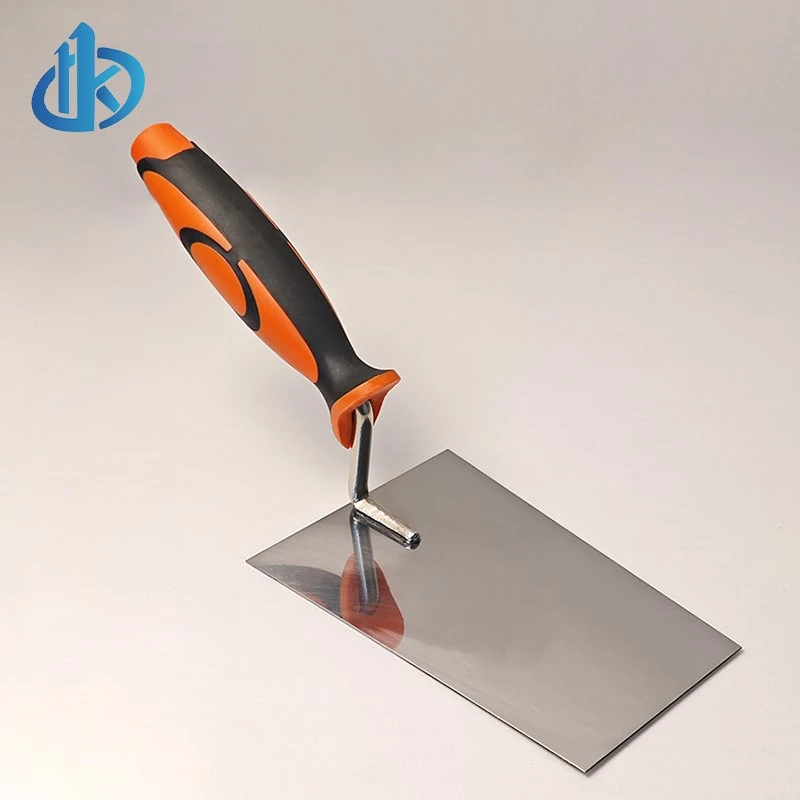
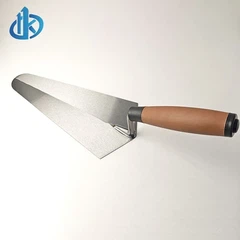
First, width: A wide brick trowel usually has a blade 3 to 4 inches wide (across the top), while a narrow one is 2 to 2.5 inches wide. That might not sound like much, but it changes everything.
Wide trowels are for speed and coverage. They hold more mortar, so you can lay more bricks at once. Pros love them for big, open jobs-like exterior walls or long rows of bricks. I used a wide trowel to build a 6-foot wall in my backyard, and it cut my time by a third. The wide blade lets you spread a long bed joint in one swipe, no stopping to reload. The only downside? It's harder to use in tight spots-like between two posts or inside a small fireplace. I tried using it to lay bricks around my mailbox post, and I kept smearing mortar on the post.
Narrow trowels are for precision and tight spaces. They're smaller, so you can get into corners, gaps, or small areas where a wide blade won't fit. I used a narrow trowel to lay bricks inside my outdoor grill-there was barely enough room for my hand, but the narrow blade fit perfectly. They're also good for detailed work, like laying thin bricks or fixing small sections of a wall. But they're slower-you can only lay 2 to 3 bricks per scoop, so you're running back to the mortar tub more often.
Another difference: control. Wide trowels take more strength to handle-you need a steady hand to keep the mortar even. Narrow ones are easier to control for small jobs, but they're not efficient for big projects.
So, pick wide for big, open jobs where speed matters. Pick narrow for tight spots or detailed work. Most bricklayers have both-they use the wide one for the main work, then switch to narrow for the tricky parts.