
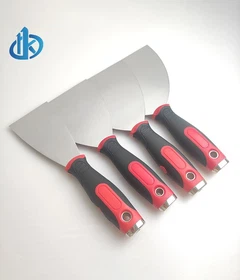
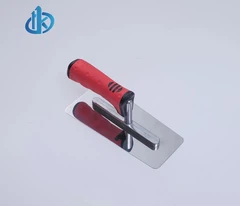
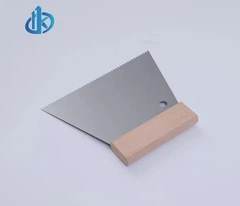


Let's clear up the confusion: skimming and plastering are like two siblings in the home improvement family-they look similar, but they've got very different jobs, skills, and tools. Let's start with plastering, the older, more heavy-duty sibling. Plastering is all about building a solid foundation, turning rough, uneven surfaces into something smooth and workable. Think of a century-old brick wall, its surface pockmarked with mortar gaps and rough edges, or a frame of lath-those thin, crisscrossed wooden strips that were common in old homes. Plastering transforms these into walls you can paint or wallpaper.
The process starts with a "scratch coat"-a thick, gritty mixture of plaster, sand, and water applied to the surface. It's rough by design, with a scratched texture that helps the next layer adhere, like Velcro. Then comes the "brown coat," a smoother layer that builds up the thickness, and finally the "finish coat," a fine, creamy layer that's troweled to a smooth surface. Plastering is physical work-mixing the plaster to the right consistency (not too runny, not too thick) takes muscle, and applying it evenly requires strength to push the mixture into every nook and cranny. It's like building a house from the ground up: slow, deliberate, and essential for structure.
Now, skimming is the younger sibling, focused on finesse rather than foundation. Skimming is a thin, smooth layer of joint compound or plaster applied over an already existing surface-like drywall that's got minor dents, old plaster with tiny cracks, or even painted walls that need a refresh. It's not about building thickness; it's about perfecting what's already there. Imagine a wall that's mostly smooth but has a few nail holes, a hairline crack from the house settling, or patches where previous repairs are visible. Skimming covers these flaws, creating a surface so even it looks like it was poured from a mold.
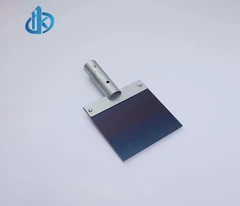
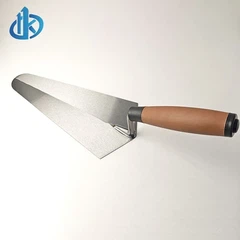
The material used for skimming is much thinner than plaster-think of it as heavy cream compared to plaster's thick custard. It's applied with a wide, flexible trowel, dragged across the surface in long, even strokes to create a layer that's often less than an eighth of an inch thick. Skimming requires a steady hand and a good eye-you're not just covering flaws, you're blending them into the rest of the wall so they disappear entirely. If plastering is building a sculpture from clay, skimming is taking that sculpture and polishing it until every curve and edge is perfect. One creates the canvas, the other turns it into a masterpiece-and knowing which one you need can save you time, energy, and a lot of frustration.


