







Stucco and putty are two materials commonly used in construction and home improvement, but they have distinct characteristics.
In terms of composition, stucco is a mixture mainly composed of cement, sand, and lime. This combination gives it a robust and durable nature. Putty, on the other hand, typically consists of a base material like gypsum or resin, along with fillers and binders.
Their applications also vary. Stucco is widely used for exterior wall finishes. It can be applied in multiple layers to create a textured or smooth surface, providing both aesthetic appeal and weather resistance. For example, in Mediterranean - style architecture, stucco is used to achieve a characteristic warm, textured look. Putty, however, is mainly used for interior purposes. It is applied to fill small holes, cracks, and imperfections in walls and surfaces before painting. It creates a smooth base for paint to adhere to, enhancing the overall finish of the painted surface.
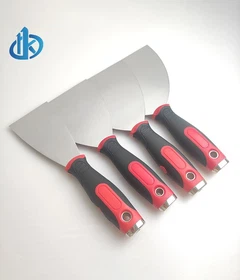
The application process differs as well. Applying stucco requires more skill and experience. It needs to be mixed carefully and applied in thick layers using tools like trowels. Putty application is relatively simpler. It can be applied with a putty knife and is usually only a thin layer.
Finally, in terms of durability, stucco is highly durable and can withstand harsh weather conditions for a long time. Putty, while effective for interior use, is not as durable and may need to be touched up more frequently.
In conclusion, stucco and putty serve different functions in the construction and finishing process, each with its own unique properties.


