
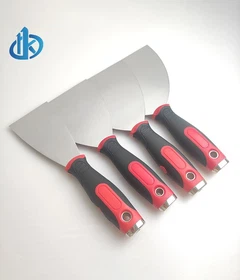
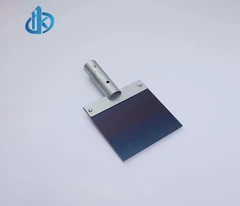

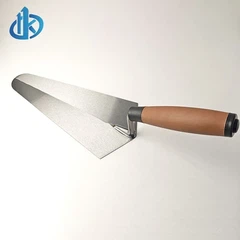

The hardness of a putty knife is an important characteristic that impacts its functionality and longevity.
Putty knives are commonly manufactured from materials like carbon steel and stainless steel. Carbon steel putty knives generally possess a hardness in the range of HRC 40 - 50. This hardness level endows the knife with the necessary rigidity to scrape off old putty or spread new putty evenly. The carbon steel is hardened through heat treatment, which modifies its internal structure to enhance its strength and hardness. This enables the putty knife to withstand the pressure exerted during use without bending or warping easily.
For stainless steel putty knives, the typical hardness is around HRC 30 - 40. Although they are not as hard as carbon steel ones, they offer the advantage of better resistance to corrosion. This makes them suitable for use in damp or humid environments where there is a risk of rust formation. The relatively lower hardness also provides a certain degree of flexibility, which can be beneficial when working on uneven surfaces or when a gentler touch is required to avoid damaging the underlying material.
If a putty knife is overly hard, it may become brittle and fracture when subjected to sudden shocks or excessive force, especially during more demanding scraping tasks. On the other hand, if it is too soft, it will not be able to effectively remove or apply putty, leading to a less than satisfactory finish.
In conclusion, knowing the normal hardness range of a putty knife is essential for users to choose the appropriate tool for their specific putty work. Whether it's a small DIY project or a professional painting and decorating job, the right hardness of the putty knife can ensure smooth and efficient application and removal of putty, resulting in a high-quality finish.
our Products


