
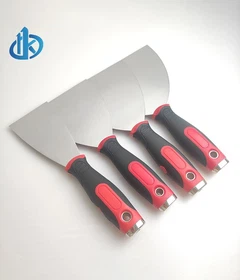
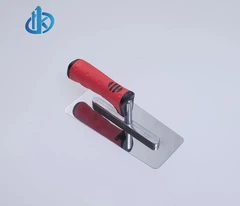
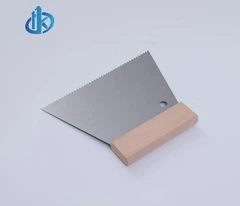
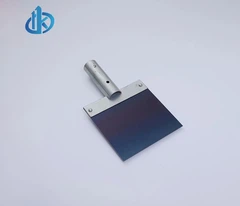

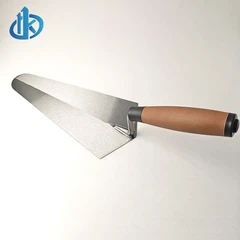

Carbon steel blades for putty knives also come in various models, each with its own unique features and applications.
The standard flat carbon steel blade model is widely used. It offers a good balance of strength and flexibility. This makes it suitable for general putty application tasks, such as spreading joint compound in drywall installations. The flat surface allows for even distribution of the material, ensuring a smooth and level finish. It is a reliable choice for both beginners and experienced tradespeople for everyday use.
A bevelled-edge carbon steel blade model is another option. The bevelled edge provides added precision when working on edges and corners. It can be used to create clean, sharp lines and smooth transitions, especially in trim work or when finishing around windows and doors. This model is favored by those who require a more refined and detailed finish in their projects.
For more heavy-duty applications, there is the thick carbon steel blade model. These blades are designed to withstand significant force and abrasion. They are excellent for removing stubborn materials like thick layers of old paint or adhesive. The added thickness gives them the durability needed to handle tough scraping jobs without dulling or breaking easily.
There are also carbon steel blades with a perforated design. The perforations serve multiple purposes. They can help reduce the build-up of material on the blade during use, making it easier to clean. Additionally, they can improve the flexibility of the blade slightly, allowing it to better conform to irregular surfaces while still maintaining its overall strength.
In conclusion, the range of carbon steel blade models for putty knives provides users with options to match their specific project demands, whether it's for basic home repairs, detailed finishing work, or more demanding renovation tasks.
Products Display


