
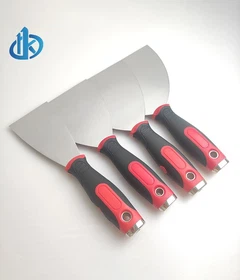
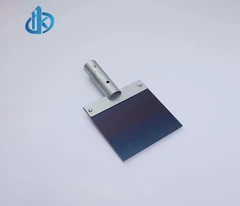

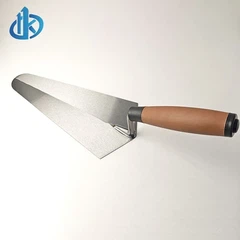

If you've ever lingered in the tool aisle, you might have noticed that putty knives wear more hats than a street performer. Ask a pro painter, and they might call it a "spackle knife," especially when they're patching drywall-makes sense, since spackle's their go-to material. Head to a woodworking shop, though, and you'll hear "filler knife" tossed around; that's the term for when it's busy smoothing wood filler into cracks or grain.
Then there's the "joint knife," though that one's a bit more specific-it usually refers to the larger, stiffer blades (4 inches or wider) used for spreading joint compound over drywall seams. But don't get confused: a joint knife is just a beefed-up cousin of the putty knife, with the same basic job: spreading, smoothing, blending.
Oddly enough, in some parts of the country, folks just call it a "mudding knife," thanks to the messy, goopy "mud" (aka joint compound) it often handles. And if you're in a hardware store in the UK? They might nod and say "filling knife" like it's the most obvious thing in the world.
Here's the thing: no matter what you call it, it's still that trusty, flexible blade that saves you from lumpy spackle and uneven filler. I once had a carpenter friend laugh when I called it a putty knife-"That's a filler knife, kiddo"-but when I handed it to him, he used it exactly like I would. Names change, but a good tool's purpose? That stays the same.
Our Products


