



What's the difference between a taping knife and a putty knife?
In the world of construction and DIY projects, two commonly used tools are the taping knife and the putty knife. While they may seem somewhat similar at first glance, there are distinct differences between them that every builder, contractor, and home - improvement enthusiast should be aware of.
1. Function
The primary function of a taping knife is related to drywall installation. It is specifically designed for applying joint compound when taping drywall seams. This tool helps in spreading the compound evenly over the drywall tape, ensuring a smooth and seamless finish. By using a taping knife, workers can create a thin, even layer of joint compound, which is crucial for hiding the seams between drywall panels.
On the other hand, a putty knife has a more diverse range of functions. It can be used for applying putty, of course, but it also serves other purposes. It is often used for scraping off old paint, adhesive, or wallpaper from surfaces. In addition, a putty knife can be used for spreading other materials like stucco, mortar, or even for some light - duty patching jobs.
2. Design
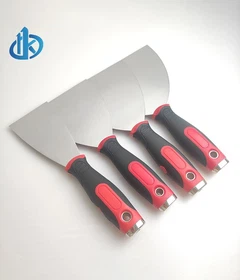
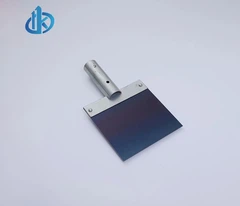
Taping knives typically have a long, flexible blade. The flexibility of the blade allows it to conform to the curves and uneven surfaces of the drywall tape and the joint compound. The length of the blade also helps in covering larger areas in one stroke, which is efficient when working on long drywall seams. They usually have a relatively simple handle design, focusing on providing a comfortable grip for the repetitive motion of applying joint compound.
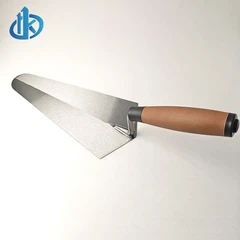
Putty knives, in contrast, come in various blade widths and shapes. Some have wide blades, which are great for covering large areas when applying putty or spreading materials. Others may have a more pointed or angled blade, which is useful for getting into tight corners or for more precise scraping. The handles of putty knives can be more ergonomic, as they are used for a wider range of tasks that may require more force or different hand positions.

3. Blade Material
Taping knives often have blades made of stainless steel or a type of flexible metal alloy. This material choice ensures that the blade can bend without breaking during the application of joint compound. The stainless - steel blades are also resistant to rust and corrosion, which is important as joint compound can be a bit wet during the application process.
Putty knives may have blades made of different materials. While stainless - steel blades are common for their durability and rust - resistance, some putty knives may have carbon - steel blades. Carbon - steel blades can be very sharp, which is beneficial for scraping tasks. However, they may require more maintenance to prevent rusting.
4. Usage in Different Projects
In a large - scale construction project where drywall installation is a major part, taping knives are essential. Professional drywall installers rely on them to create a smooth base for painting or other finishes. Without a proper taping knife, it would be difficult to achieve a high - quality finish on the drywall surfaces.
For DIY home - improvement projects, a putty knife is a more versatile tool to have on hand. Whether you're renovating a room, fixing a small crack in the wall, or removing old paint before repainting, a putty knife can be used for multiple tasks. It's a great all - around tool for small - scale projects and general household repairs.
In conclusion, understanding the differences between a taping knife and a putty knife can help you choose the right tool for your specific project. Whether you're a professional in the construction industry or a DIYer working on your weekend project, having the correct tool can make your work more efficient and the results more satisfactory.


