
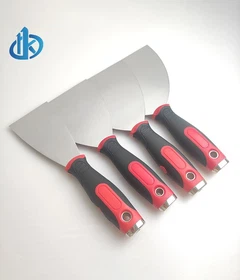
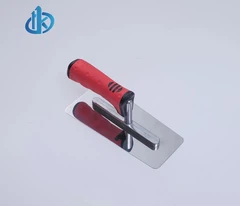
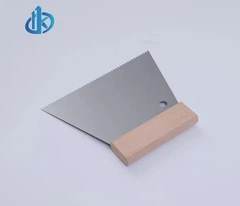
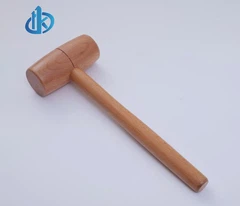


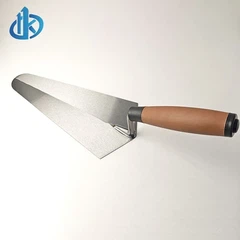

The manufacturing process of bricklaying trowels is a blend of traditional techniques and modern machinery to produce a tool that is essential in the construction industry.
It commences with the selection of materials. High-quality carbon steel or stainless steel is typically chosen for the blade, depending on the desired durability and resistance to corrosion. The steel is then cut into the appropriate shape and size using precision cutting tools. This may involve shearing or laser cutting to ensure accuracy.
After cutting, the blade is formed. This is often achieved through forging or stamping processes. Forging gives the blade added strength and toughness, while stamping can be used for mass production with consistent results. The blade is then heat-treated to enhance its hardness and wear resistance. This involves heating the blade to a specific temperature and then cooling it rapidly or through controlled cooling methods.
The handle is another crucial component. It can be made from wood, plastic, or rubber. If it's a wooden handle, it is carefully carved and sanded to provide a comfortable grip. For plastic or rubber handles, they are molded into ergonomic shapes. The handle is then attached to the blade, usually by riveting or using strong adhesives to ensure a secure connection.
Once assembled, the bricklaying trowel undergoes a series of quality control checks. The blade's straightness, sharpness, and surface finish are inspected, along with the handle's firmness and comfort. Any defects or imperfections are corrected or the trowel is rejected.
Finally, the finished trowels are packaged and prepared for distribution. They are shipped to construction sites and hardware stores, where bricklayers and DIY enthusiasts alike rely on them to lay bricks and mortar with precision and efficiency, ensuring the structural integrity and aesthetic appeal of brickwork projects.


