
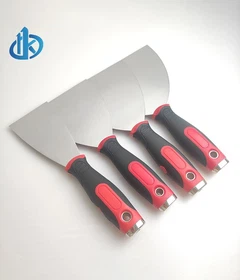
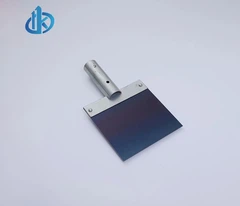

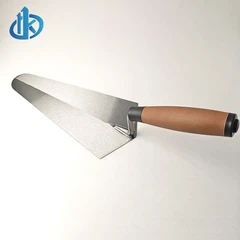

Ah, the big question-"What size should I get?" Spoiler: It all depends on what you're doing! Filling knives come in sizes from 1 inch (super tiny) to 12 inches (huge), and each one's for a specific job. Let's break it down so you don't end up buying a 10-inch knife for a tiny nail hole (we've all made that mistake, right?).
First, the small ones-1 to 2 inches. These are like the "precision tools" of the filling knife world. Use 'em for tiny flaws: nail holes, small cracks (less than 1/8 inch wide), or filling gaps around door hinges. I keep a 1-inch one in my toolbox for those little spots a bigger knife can't reach-like the tiny holes from picture hooks in my hallway. If you use a big knife here, you'll just spread filler all over the place, which means more sanding later. No thanks!
Next, medium sizes-3 to 6 inches. These are the workhorses, honestly. Perfect for most DIY jobs. A 3 or 4-inch one's great for filling slightly bigger holes (up to 1 inch) or smoothing filler on walls. A 5 or 6-inch? Awesome for larger areas, like smoothing filler over a cracked section of drywall or blending it into the wall so it doesn't stand out. I use my 4-inch knife more than any other-it's versatile, easy to hold, and works for 90% of the fixes I do around the house.
Then the large ones-8 to 12 inches. These are for big jobs, like smoothing filler over an entire wall (if you're refinishing a room) or spreading joint compound for drywall seams. I only pull out my 10-inch knife when I'm fixing something huge-like that big hole from a broken mirror in my bedroom. They cover large areas fast, but they're heavy and hard to control for small stuff. Don't grab one unless you really need it!
Bottom line: If you're new to this, start with a medium size (4 to 6 inches). It'll handle most jobs. Then add a small one for tiny fixes, and a large one if you take on bigger projects. Trust me, having the right size makes the job way faster, easier, and way less messy.


