
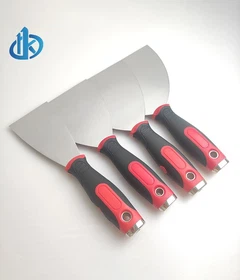
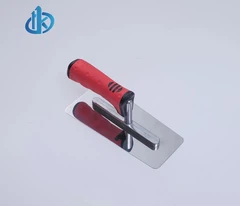
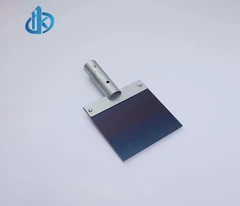

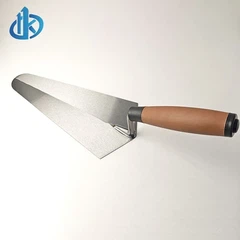

Thin bricks are the minimalists of the masonry world-slim, space-saving, and oh-so-trendy for backsplashes, accent walls, and even furniture. But their dainty size (usually ½ to 1 inch thick) demands a trowel that's more ballet dancer than heavyweight boxer. Enter the 8 to 10-inch trowel: the unsung hero of thin brick projects.
Why go small? Because thin bricks have less surface area to bond with mortar. A larger trowel-say 12 inches-would deposit more mortar than needed, leading to messy oozes, uneven spreads, and a frustrating cleanup. The 8-inch blade, in particular, is like a precision tool, letting you apply a thin, even layer of mortar to the back of each brick without overdoing it. It's perfect for tight spaces too, like when you're tiling a kitchen backsplash with thin bricks around outlets or pipes.
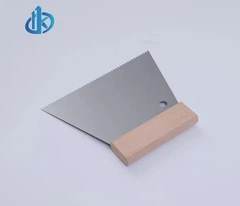
Blade style is key here, too. Look for a "pointed" or "notched" trowel in this size range. The notches-usually ¼ inch deep-help create ridges in the mortar, which collapse when you press the thin brick into place, ensuring full contact without gaps. It's like giving the mortar little legs to grip onto the brick, preventing slippage (a common headache with thin materials).
Think of it as frosting a mini cupcake versus a giant cake. You wouldn't use a huge spatula for the tiny one-it would smush the frosting everywhere. Same with thin bricks: a small trowel gives you control. It lets you work quickly, too, since thin brick projects often involve more pieces (hello, mosaic-style walls) and a compact tool reduces hand fatigue.
So if you're tackling thin bricks, leave the big trowels in the shed. Grab that 8 to 10-inch wonder, and get ready to lay down a flawless, stylish surface that looks like it was done by a pro. After all, good things-especially thin bricks-come in small packages, and so should their trowels.
brick trowel from hanke


