



What size trowel is best for tile?
[Linyi News] When it comes to tiling, choosing the right size trowel is more than a detail-it's a decision that can directly affect bonding strength, coverage, and the final finish. As more contractors and DIYers seek professional results, the question "what size trowel should I use for tile?" has become increasingly relevant.
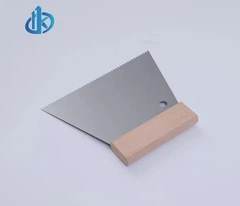
In general, the larger the tile, the larger the trowel notch should be. For smaller wall tiles under 300mm, a 6mm square or V-notch trowel is typically sufficient. For large-format floor tiles above 600mm, a 10mm to 12mm U-notch or Euro-notch trowel is recommended. Larger notches allow for a thicker adhesive bed, ensuring better contact and support under heavy or wide tiles.

According to Linyi Hanke Tools Co., Ltd., the ideal trowel size also depends on the substrate's flatness, the tile's underside texture, and ambient conditions like temperature and humidity.
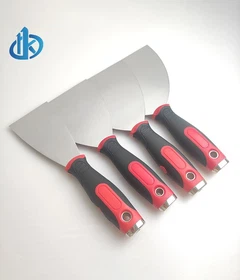
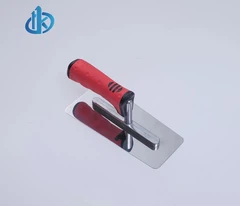
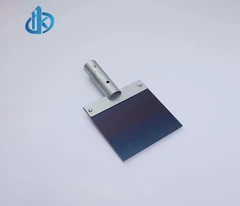
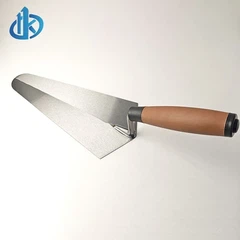
Hanke's range of trowels includes durable carbon steel and stainless steel blades, paired with ergonomic handles in rubber-plastic or natural wood. Models like the 10x10mm square notch and 12x12mm Euro-notch are popular in export markets including Europe and the Middle East, favored for their precision in adhesive control.
As construction standards rise, using the right trowel is no longer optional-it's essential. Hanke encourages users to assess the full installation context and, when in doubt, perform a test patch. The right tool helps every tile stay flat, stay bonded, and look its best.


