
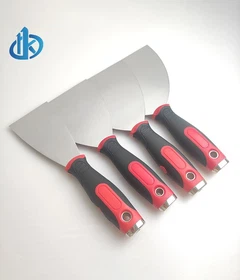
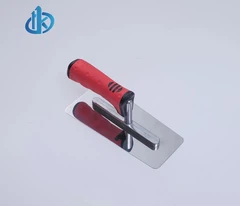
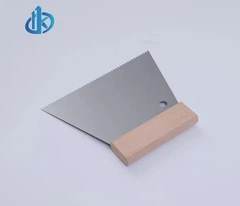


When it comes to plastering, choosing the right trowel is crucial for achieving a smooth, professional finish. The best trowel for plastering will depend on the type of plastering work you are doing, but there are certain factors to consider to make an informed decision.
Types of Trowels for Plastering
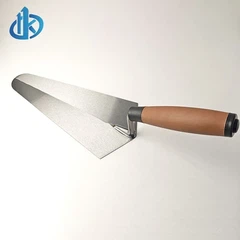
Pointed Trowels: These are the most common trowels used for plastering. They feature a pointed blade that is ideal for applying plaster to walls and ceilings. The shape of the blade allows for easy control and precision when spreading plaster, making it a great choice for both beginners and professionals.
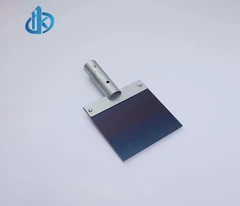
Square-Edged Trowels: These trowels have a straight edge, which is perfect for creating flat, even surfaces. Square-edged trowels are often used in the finishing stages of plastering to smooth out the final layer of plaster. They provide more control over the consistency and thickness of the application.
Flexible Trowels: These trowels have a flexible blade that allows for greater control and ease in smoothing the plaster. They are particularly useful for finishing and smoothing plaster over curved surfaces or intricate details. The flexibility allows you to adapt to different wall profiles, making them ideal for projects involving textured or curved surfaces.
Materials and Features to Look for
Stainless Steel Blades: The best trowels for plastering are often made of stainless steel due to its durability and resistance to rust. Stainless steel also ensures that the trowel remains sharp for longer, which is essential when you need precise control during the plastering process.
Ergonomic Handle: Comfort is a critical factor in selecting a trowel, as plastering can be physically demanding. Look for trowels that feature ergonomically designed handles, which reduce hand strain and provide a firm grip. Handles made from rubber or soft plastic are particularly comfortable for extended use.
Size of the Blade: The size of the trowel blade varies, and the best size for you will depend on the scale of your plastering job. A smaller trowel (approximately 8 to 10 inches) is ideal for detailed work or smaller areas, while larger trowels (12 to 14 inches) are better for larger surface areas as they allow for faster application.
Rounded Corners: Many trowels feature rounded corners that help in smoothing out the plaster evenly. These trowels minimize the risk of leaving lines or marks on the surface, which can be difficult to correct later.
Stainless steel pointed trowel with a comfortable, ergonomic handle is usually the best choice for plastering. It provides precision, control, and comfort, all essential elements for achieving smooth, even finishes. Consider the size of the trowel, the material of the blade, and the shape of the edge based on the specific needs of your plastering project.


