







When should you trowel concrete? - Key Insights into Concrete Finishing Timing
[Linyi, China] - Recently, the question "When should you trowel concrete?" has become one of the most searched keywords on international platforms. This topic focuses on a crucial phase of concrete work-determining the proper timing for troweling-and reflects the global construction community's growing concern for surface quality and workmanship standards. As a hand tool manufacturer with nearly 30 years of experience, Linyi Hanke Tools Co., Ltd. has drawn from extensive field experience to provide a timely and practical response.
The right moment to start troweling concrete is not fixed-it depends on a mix of factors such as ambient temperature, humidity, material ratio, and slab thickness. Typically, the first pass should begin when the surface moisture has mostly evaporated and a gentle touch leaves no visible mark. A Hanke Tools technical advisor explains: "Troweling too early can trap bleed water and weaken the finish; too late, and the concrete becomes too stiff to work, leading to rough, flaky surfaces. Controlling this timing is key to delivering a high-quality finish."

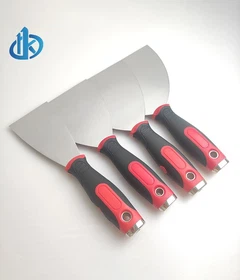
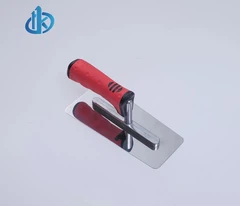
In field applications, Hanke recommends using its A2 model or long-blade trowels, depending on the area and detailing needs. Featuring stainless steel blades paired with either rubber-plastic or birch handles, these tools resist corrosion, are easy to clean, and offer excellent glide and pressure feedback.
Hanke trowels are widely used in industrial floors, residential overlays, and more, with strong market presence across Europe, the Middle East, and the Americas.
To learn more about our products or discuss potential collaborations, please visit the official Hanke Tools website or contact an authorized distributor. With precise tools and proper timing, achieving a high-performance concrete surface becomes a reliable standard.


