
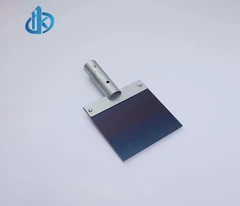

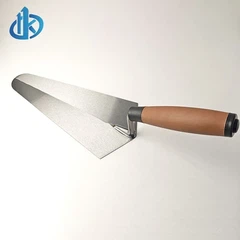

This is one of those "it depends on what you're using it for" questions-neither is better overall, but each is better for specific jobs! Let me break down the pros and cons of each, 'cause I use both all the time and have strong opinions.
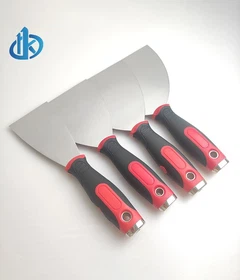
First, metal scraper putty knives. These are the heavyweights-they're durable, sharp, and great for tough jobs. The blade is usually made of stainless steel or carbon steel, so it doesn't bend easily. I use my metal knife for scraping off old paint, removing wallpaper residue, or patching holes with thick putty. It's sharp enough to cut through tough gunk, and the stiff blade gives you good leverage-perfect for pushing hard without the blade folding over.
But metal has its downsides. It's sharp, so if you're not careful, you can scratch delicate surfaces-like soft wood, drywall (if you press too hard), or even tile. I once used a metal knife to scrape a sticker off my wooden laptop desk and accidentally made a tiny scratch-total bummer. Metal also rusts if you don't dry it properly after cleaning, so you gotta be on top of that. And it's heavier than plastic, so your hand might get tired if you use it for a long time.
Now, plastic scraper putty knives. These are the gentle giants-they're soft, flexible, and great for delicate surfaces. The blade is usually made of hard plastic, so it won't scratch wood, tile, glass, or even car paint (I use mine to scrape bugs off my car windshield!). I love using plastic knives for smoothing caulk around sinks or bathtubs-they're flexible enough to get a smooth finish, and you don't have to worry about scratching the porcelain. They're also lightweight, so your hand doesn't get sore, and they never rust-win - win.
But plastic isn't as tough as metal. It can bend or even break if you push too hard-once I tried to scrape old linoleum with a plastic knife, and the blade snapped right in half. It's also not sharp enough for really tough jobs, like scraping thick, dried - on paint. And plastic blades can get sticky if you use them with oil - based products-cleaning them is a little harder than metal.
So here's my rule of thumb: use metal if you're doing tough jobs (scraping paint, heavy - duty patching) on durable surfaces (walls, hard wood). Use plastic if you're working on delicate surfaces (soft wood, glass, tile) or doing light jobs (smoothing caulk, scraping stickers). If you do a lot of DIY, it's smart to have both-they take up almost no space in your toolbox, and you'll always have the right one for the job.


