
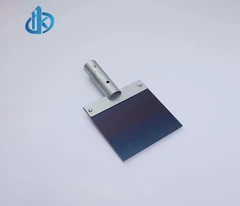

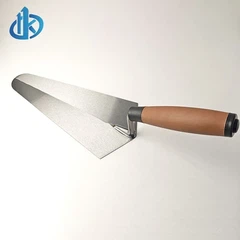


Which Profession Uses Scrapers?
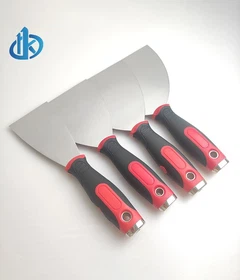
In today's diversified work fields, the scraper, 看似 a seemingly ordinary but highly practical tool, plays a crucial role in many professional scenarios and is closely associated with numerous occupations.
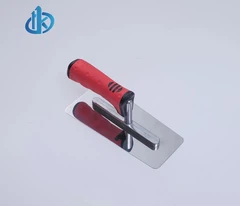
Construction workers find the scraper to be a capable assistant when building and renovating houses. During the bricklaying process, they need to use the scraper to level the excess cement mortar, ensuring that the wall surface is flat and vertical, laying the foundation for subsequent decoration procedures.
When renovating the exterior walls, the scraper can quickly remove the weathered and peeling wall surfaces, allowing new coatings or decorative materials to adhere better, enhancing the durability and aesthetics of the building's exterior.
For cultural relic restorers dealing with ancient calligraphy, paintings, ceramics, wood carvings, and other cultural relics, the scraper is even more indispensable.
When restoring paintings and calligraphy, they will use extremely fine scrapers to carefully remove the stains and mildew layers accumulated on the surface of the works due to their age, restoring the original colors and brushstrokes. The whole process is like "embroidering" in the gaps of history, allowing for no mistakes.
When restoring ceramics, the scraper is used to clean the impurities at the broken parts, helping the cultural relics regain their former glory.

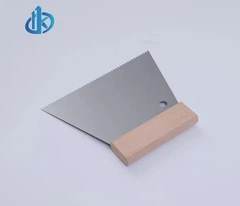
Printing workers often rely on the scraper in the plate-making process to adjust the thickness and uniformity of the ink.
By precisely controlling the scraper, they spread an appropriate amount of ink evenly on the printing plate, ensuring that each printed product has vivid colors and clear graphics and text. From books, posters to exquisite packaging, the scraper silently escorts high-quality printing output.
Gardeners also use scrapers when taking care of gardens. After pruning branches, they use the scraper to clean the residual bark and tree gum on the tree trunks to prevent the occurrence of pests and diseases.
When trimming the edges of flower beds, the scraper can remove the excess soil and weeds, outlining neat and beautiful lines, making the garden scenery more pleasing to the eye.
It can be seen that from traditional industries such as construction and cultural relic restoration to modern industries such as printing and gardening, the scraper, rely on its unique functions, integrates into the work of various professions, becoming an essential tool for professionals or DIY enthusiasts to achieve exquisite skills and create high-quality results.


