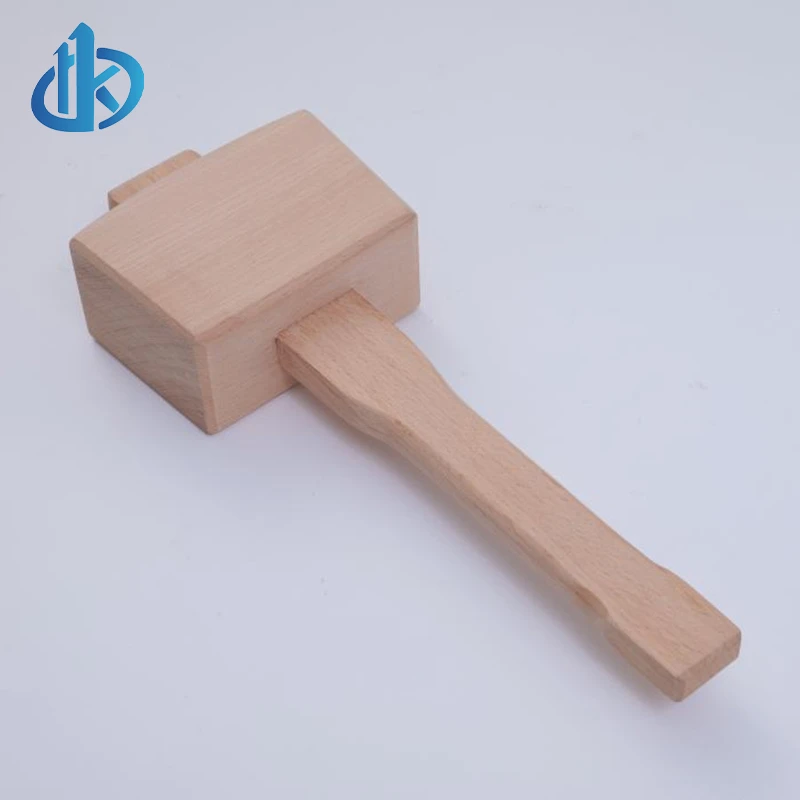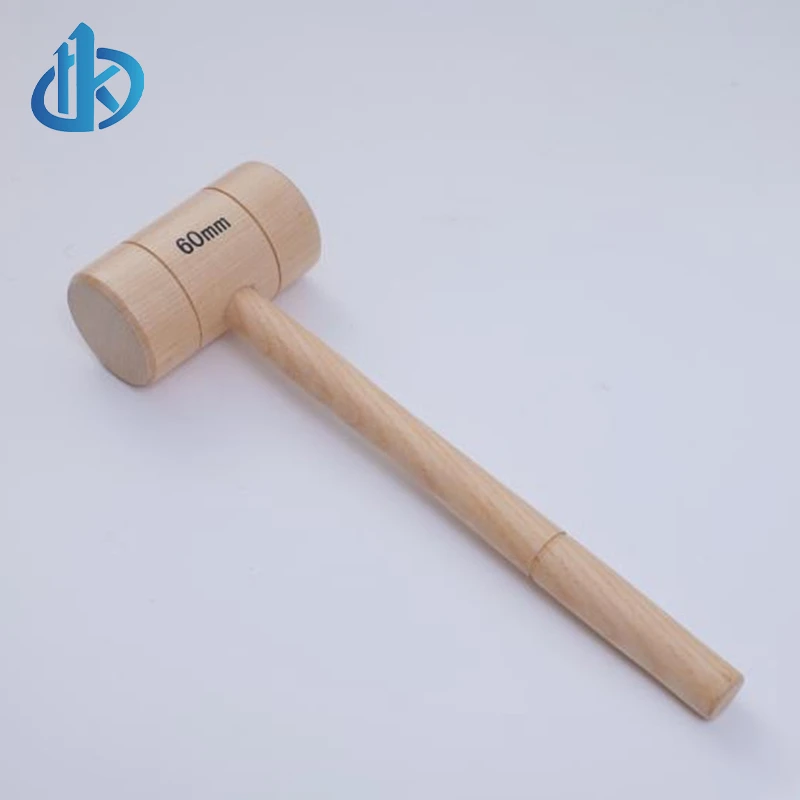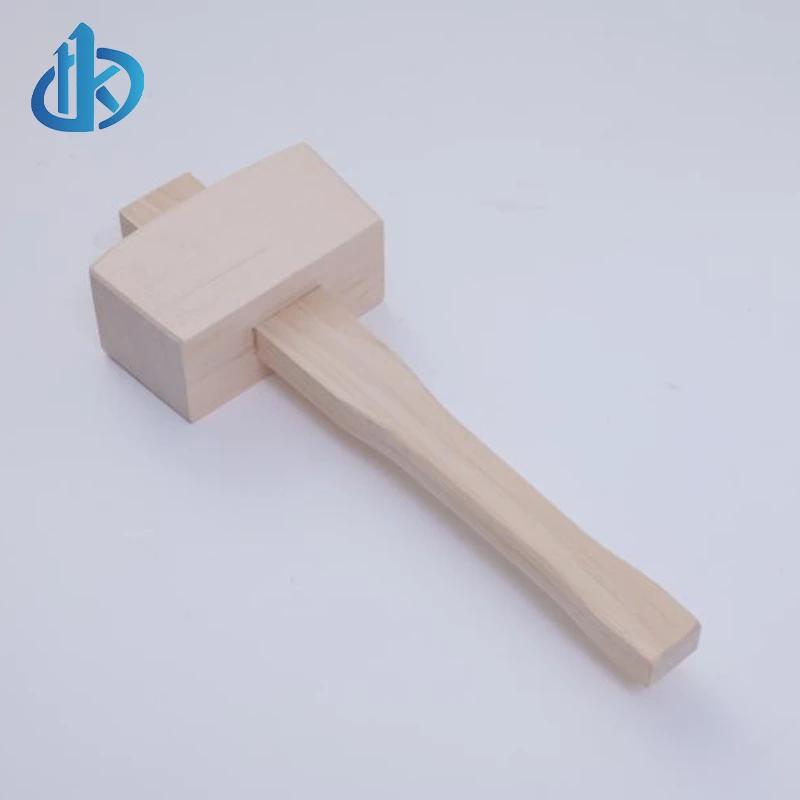
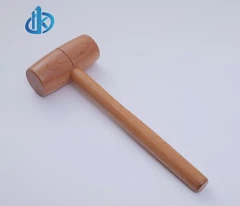


If you're gonna buy (or even make) a wooden hammer, the type of wood is everything. Pick the wrong one, and you'll have a hammer that chips, splinters, or breaks after a few uses. But pick the right one? It'll be your sidekick for decades. Let me break down the top 3 woods that every woodworker swears by-no fancy jargon, just straight talk.
First up: hickory. This is the gold standard for wooden hammers-hands down. Why? Because hickory is tough as nails, but it's also flexible. It can take a beating without cracking, and it absorbs impact really well-so when you tap a joint, the hammer doesn't bounce back. It's also got a nice, tight grain, which means the handle won't splinter easily. I've got two hickory hammers-one I use every day, and it's been 10 years with no issues. The only downside? It's a little pricier than other woods, but trust me-it's worth it. You'll pay 25to40 for a hickory hammer, but it'll last 30+ years if you take care of it.
Second: oak. Oak is another great option-super durable, and it's easier to find than hickory (so it's usually a little cheaper). It's a hard wood, so it won't wear down quickly, and it has a nice, heavy feel-perfect if you need a little more force for bigger projects. I use an oak hammer for assembling table frames or tapping thicker chisels-it gives a solid tap without feeling too heavy. The only thing to watch for: oak can be a little more brittle than hickory. If you hit too hard, it might chip (though I've never had that happen). Just don't use it for slamming into things, and it'll be fine.
Third: beech. Beech is the best choice for beginners, or anyone who wants a lighter hammer. It's still strong-strong enough for most carpentry tasks-but it's lighter than hickory or oak, so it's easier to control. I tell new woodworkers to start with beech because it's forgiving-if you accidentally tap too hard, it's less likely to damage the wood or the hammer. It also has a smooth grain, so the handle feels nice in your hand. The only con? It's not as durable as hickory-you might see a few scratches after a year, but it'll still work great. I had a beech hammer when I first started, and it lasted me 5 years before I upgraded to hickory.
Now, let's talk about woods to avoid-big time. Softwoods like pine, cedar, or fir? Stay away. They're too weak-they'll chip or splinter after a few uses. I once tried a pine hammer (cheap at the hardware store) and it split on the third tap. Waste of $10. Hardwoods like maple or walnut? They're beautiful, but they're too brittle. Maple will crack if you hit it too hard, and walnut is too soft for heavy use. Stick to hickory, oak, or beech-you can't go wrong.
At the end of the day, hickory is the king, but oak and beech are great alternatives depending on your needs. If you want something that'll last a lifetime and handle anything? Hickory. Need something durable but cheaper? Oak. Just starting out and want something light? Beech. Simple as that.
wooden hammers from hanke tools