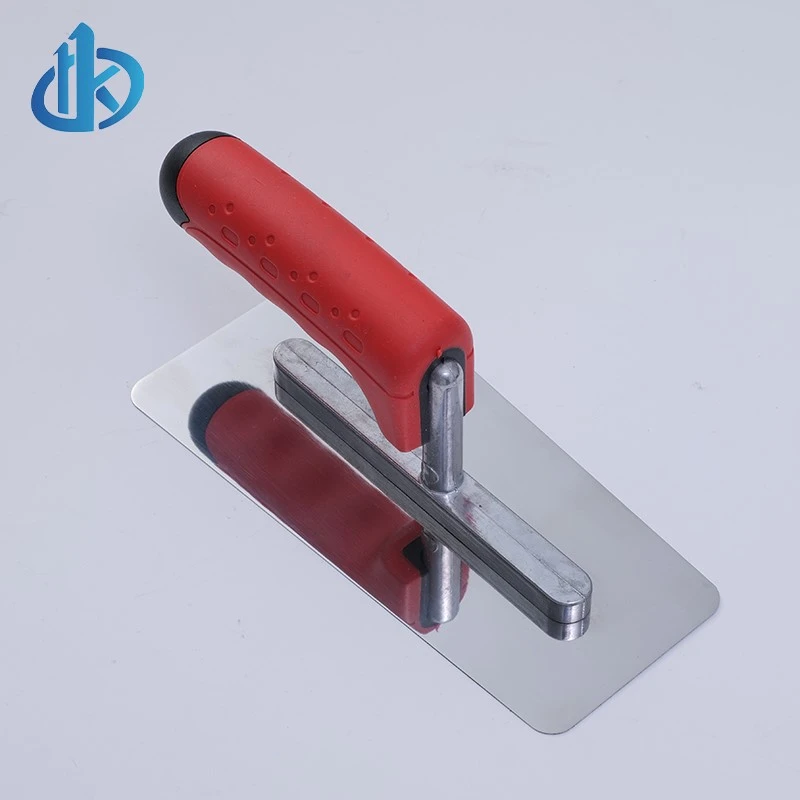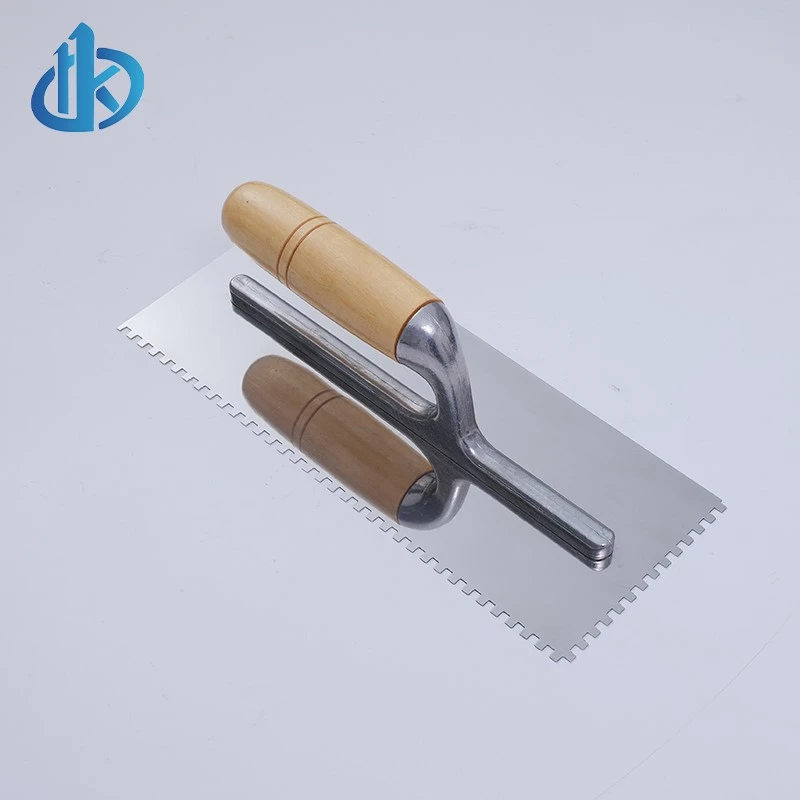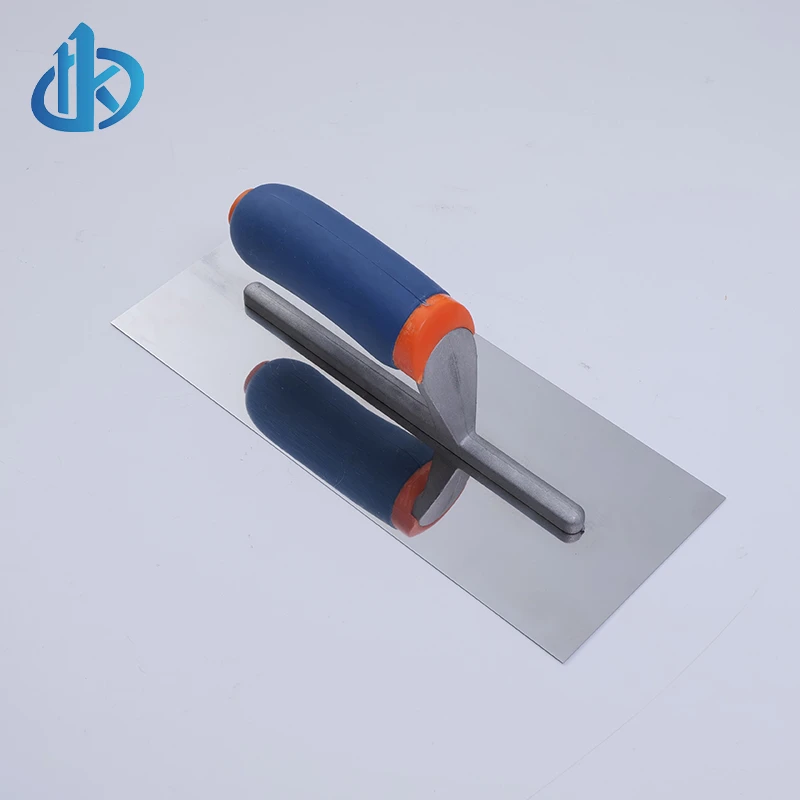
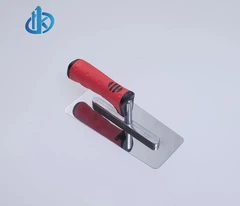
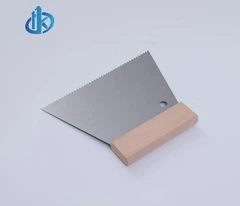
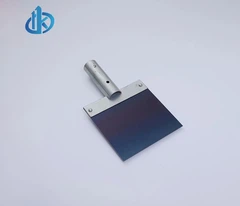

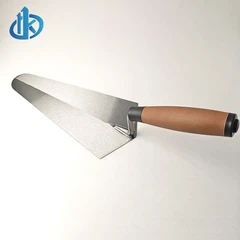

Put simply, a trowel is the unsung hero of bonding things together-without it, most tiling, masonry, or even gardening jobs would be a disaster. Let's start with construction: When you're laying tiles, a trowel spreads adhesive evenly, ensuring every part of the tile sticks to the wall or floor. No trowel means lumpy, uneven adhesive, and tiles that pop off like loose teeth.
Masons rely on trowels to apply mortar between bricks or stones, smoothing it out so the pieces fit together tightly-critical for structural strength. A wonky mortar job isn't just ugly; it can make walls unstable.
Even gardeners need trowels. They're perfect for digging small holes without disturbing surrounding plants, transplanting seedlings gently, or scooping soil into pots. Try doing that with a shovel-you'd end up with a mess and possibly crushed plants.
Beyond spreading, trowels scrape, smooth, and clean. They can remove old adhesive, level out uneven surfaces, or tidy up excess mortar before it dries. In short, a trowel turns messy materials (adhesive, mortar, soil) into neat, functional layers. It's not just a tool-it's the difference between a job that lasts and a job that falls apart.
plastering trowel from hank tool