
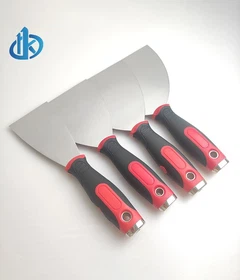

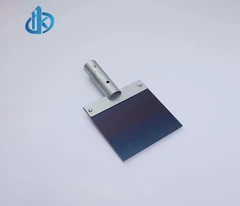

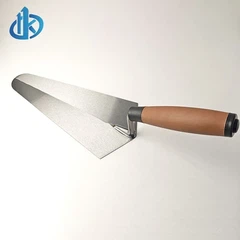

Ever wondered why that taping knife has a color that looks like a summer sky at dusk? Let's dive into the story behind "blue steel"-it's part science, part history, and a little bit of metal magic.
First, the name comes from its looks: that distinctive blue-gray hue isn't just for show. It's the result of a process called bluing, which sounds way fancier than it is. Picture this: a blacksmith heating a steel blade until it glows, then dipping it into oil or water. As the metal cools, a chemical reaction happens, forming a thin layer of iron oxide on the surface. This layer reflects light in a way that gives off that signature blue tint, like how a soap bubble shimmers with colors.
But why blue? The oxide layer's thickness determines the color-think of it as a rainbow in reverse. Thinner layers might look yellow or purple, but the sweet spot for durability and that classic shade? Blue. It's like baking a cake to golden perfection-too little heat, and it's pale; too much, and it's burnt. Blue is just right.
Historically, bluing was a practical trick. Blacksmiths noticed that this process made steel more resistant to rust, so they started using it on tools and weapons. Over time, "blue steel" became a term for any steel treated this way, like how "Kleenex" became shorthand for tissues.
Today, that blue color is a badge of honor. It tells you the knife's been through that special treatment, balancing flexibility and protection. So next time you pick up a blue steel taping knife, admire that color-it's not just paint; it's a centuries-old love letter to craftsmanship.


