
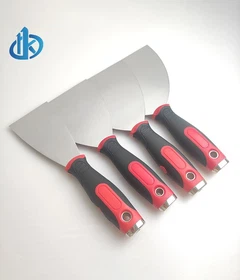
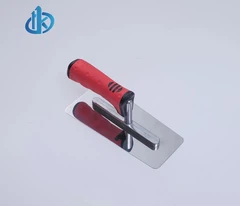
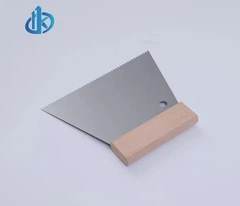
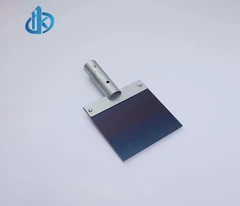

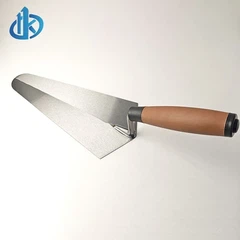

So you're in the tool aisle, staring at putty knives, and thinking: wide or narrow? It's like choosing between a big spoon and a teaspoon for ice cream. Let's break it down.
Narrow putty knives are for detailed work. Think of them as the fine paintbrushes of putty knives. If you're filling tiny nail holes, working in tight corners, or doing delicate scraping on furniture, a narrow blade is perfect. It gets into small spots easy, and you can control how much putty or spackle you use. Using a wide knife for this is like trying to write a love letter with a paint roller-just not right.
Wide putty knives are for big jobs. When you're covering large areas, like spreading joint compound over drywall seams or putting a skim coat on a wall, a wide blade is your best friend. It covers more ground in one stroke, so you'll finish faster. It's like using a big broom to clean a large floor instead of a tiny one. A wide knife also helps get a smoother finish on big surfaces 'cause it spreads the material more evenly.
But here's the thing: sometimes you need both. For example, when working on drywall, you might start with a narrow knife to fill small holes and cracks, then switch to a wide one for the seams. It's all about picking the right tool for each step. So next time you start a project, think about the size of the work, and pick the putty knife that'll make the job easy.


