
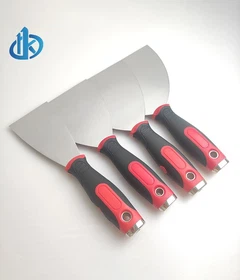
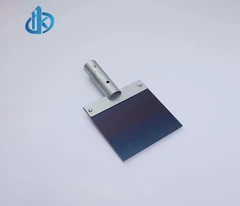

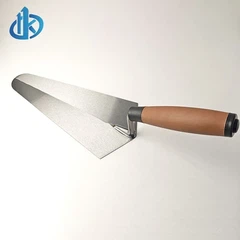

Again, it's not "better"-it's about what you're doing. Flexible and rigid scrapers each have their own superpowers, and using the wrong one will make your job way harder. Let me start with flexible scrapers. These are the ones that bend a little when you press on them-usually thin stainless steel or plastic. I use my flexible 4-inch scraper for anything that needs a gentle touch. Last month, I had to scrape old paint off a vintage wooden dresser that my grandma gave me.
A rigid scraper would've dug into the wood and left scratches, but the flexible one bent with the dresser's curves, scraping off the paint without harming the wood. They're also great for smoothing out putty on uneven surfaces-like a wall with small dents. The flex lets you press the putty into the gaps without leaving lumps.
Now rigid scrapers-these are the thick, stiff ones, usually heavy-duty stainless steel or carbon steel. These are for tough jobs where you need power. I used a rigid 8-inch scraper to remove old tile adhesive from my bathroom floor, and it was a lifesaver. The adhesive was rock-hard, but the rigid blade didn't bend-just chipped away at the adhesive like it was nothing.
Rigid scrapers are also perfect for scraping paint off metal surfaces, like gutters or car parts, because they can handle the pressure without warping. But here's the catch: rigid scrapers are terrible for delicate surfaces. I tried using one on my glass shower door to remove hard water stains, and I almost scratched the glass-thankfully, I stopped in time.
So when to use which? Flexible for delicate surfaces, uneven areas, or smoothing putty. Rigid for tough, hard surfaces like metal, concrete, or thick paint. I keep both in my toolbox-my flexible one for the "gentle" jobs, my rigid one for the "I need to muscle through this" jobs. No more ruining surfaces or struggling with the wrong tool. Trust me, once you figure out which one to use when, your projects will be way easier.


