
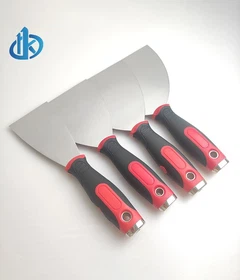
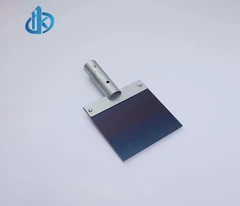

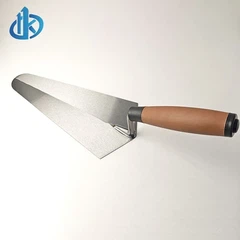

This debate's been raging in my garage ever since I started DIY projects. Plastic vs. metal putty knives-they're like two tools with totally different personalities, and picking the right one depends on what you're up to. Let me spill the tea.
Plastic putty knives are the gentle giants. They're lightweight, cheap, and soft enough to avoid scratching delicate surfaces. Last week, I was touching up paint on a vintage wooden table-you know, the one with that fancy varnish? Using a metal knife would've left ugly marks, but the plastic one glided over the surface, spreading spackle without a scratch. They're also great for kids' crafts-my niece loves "helping" with her plastic knife, and I don't have to panic about her nicking herself.
But here's the downside: they're wimps when it comes to tough jobs. Try scraping old paint off a concrete wall with a plastic knife, and you'll end up with a bent, useless mess. They also wear out fast-after a few uses, the edges get nicked, making it hard to spread putty smoothly.
Metal putty knives, though? They're the workhorses. Sturdy, sharp, and built to tackle heavy-duty tasks. Last month, I had to remove a crusty layer of old caulk from my bathtub. My metal knife sliced through it like butter, while the plastic one I tried first just bounced off. They hold their shape forever-my dad's metal knife is 20 years old, and it still works like new.
But metal has its flaws too. It's heavy, so your hand gets tired faster during long projects. And that sharp edge? It's a disaster on soft surfaces. I once ruined a vinyl floor by accident, scraping too hard with a metal knife. Ouch.
So, better? It's not that simple. Keep a plastic one for delicate work and a metal one for the tough stuff. Your toolbox (and your projects) will thank you.


