
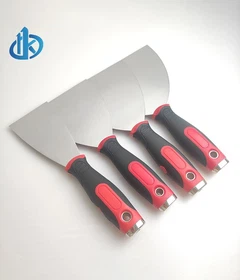


There's something sad about an old putty knife-caked with dried spackle, rust spots, and gunk that looks like it's been there since the '90s. But don't toss it! With a little elbow grease, you can bring it back to life. Let me walk you through how I saved my grandpa's old knife-trust me, it was bad.
First, start with the easy stuff: soften the dried gunk. Fill a jar with white vinegar (yep, the same stuff in your pantry) and drop the knife in. Let it soak for a couple of hours-vinegar's magic for breaking down dried spackle and rust. When I pulled mine out, the crusty bits were already peeling off like old wallpaper.
Next, grab a wire brush or steel wool. Scrub the blade gently but firmly-think of it like brushing a stubborn stain off a shirt. For really tough spots, I used a plastic scraper (ironic, right?) to chip away chunks. Pro tip: don't scrub too hard with steel wool on soft metals-you might scratch the blade.
If there's still rust left, make a paste with baking soda and water. Slather it on the rusty areas, let it sit for 15 minutes, then scrub again. Baking soda's a mild abrasive, so it lifts rust without damaging the metal. My grandpa's knife had a big rust spot near the handle, and this trick made it disappear like magic.
Once it's clean, dry it immediately. Moisture is rust's best friend, so grab a rag and wipe every nook and cranny. To keep it from rusting again, rub a tiny bit of vegetable oil on the blade-just a thin layer, like you're polishing a shoe.
Now, my grandpa's knife looks almost new. It's got a few battle scars, sure, but that's part of its story. Cleaning an old putty knife isn't just about making it work-it's about giving it a second chance to help with new projects.


