
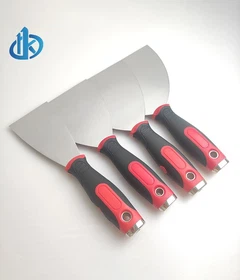


Let's get straight to the point: yes, many putty knives are heat treated-but not all, and it's not just for show. Think of heat treatment as a gym workout for metal: it builds strength, toughness, and resilience, turning a flimsy blade into a hardworking tool that can handle the rough and tumble of DIY projects. But let's dig deeper, because not all heat treatments are created equal, and understanding the why makes all the difference.
First, what's heat treatment, anyway? It's a process where metal is heated to super-high temperatures (we're talking hundreds of degrees) and then cooled quickly-sometimes in water, oil, or air. This changes the metal's structure, making it harder, more durable, or more flexible, depending on what's needed. For putty knives, which spend their days scraping, prying, and spreading, this is a game-changer. A heat-treated blade can bend a little without snapping, like a gymnast doing a backflip, whereas a non-treated one might crack if you lean on it too hard.
But here's the catch: not every putty knife gets the full heat treatment treatment. Budget-friendly, lightweight knives-think the ones you find in dollar stores-often skip it. Their blades are thin, soft, and prone to bending or dulling quickly, like a plastic spoon trying to cut through a steak. They work for light jobs, sure, but push them too hard, and they'll let you down.
On the flip side, professional-grade putty knives wear heat treatment like a badge of honor. Brands that cater to contractors or serious DIYers invest in this process because they know their tools need to survive daily abuse: scraping old paint, prying up floor tiles, or spreading thick, heavy compounds. A heat-treated blade here stays sharp longer, resists warping, and can take a beating without losing its shape. It's like comparing a flip-flop to a steel-toed boot-both cover your feet, but one's built to last.
So, how can you tell if a putty knife is heat treated? Check the packaging-good brands will shout about it, using terms like "heat-treated blade" or "tempered steel." If it's not labeled, give it a gentle flex: a treated blade will spring back, while a non-treated one might stay bent, like a straw you've twisted too far.
In short, heat treatment is the secret sauce that turns a basic putty knife into a reliable workhorse. It's not flashy, but it's the reason some tools last for years, while others end up in the trash after one tough job. So next time you're shopping, keep an eye out for that heat-treated label-your hands (and your projects) will thank you.


