


Ever stared at a peeling, crusty layer of old paint and thought, "Why does this stuff have to be tougher than a week-old bagel?" Whether you're prepping walls for a fresh coat or reviving a vintage furniture piece, softening paint is like convincing a stubborn cat to move-you need the right tricks, a little patience, and maybe a dash of creativity. Let's dive into the good stuff.
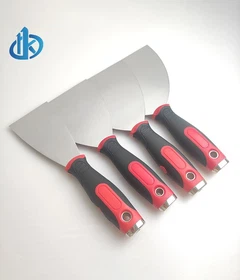
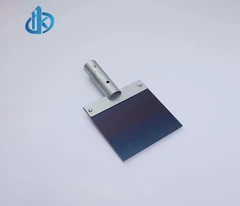
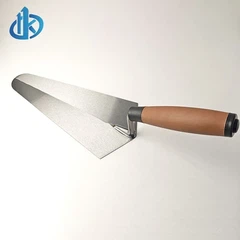
First, let's talk about softening paint for scraping-that's when you need to loosen up layers so your scraper glides through like a hot knife through butter. One of the easiest ways? Good old-fashioned heat. A heat gun (think of it as a hair dryer on steroids) works wonders. Hold it 6–8 inches from the paint, move it slowly, and watch for that telltale wrinkle-like the paint's sighing, "Fine, I'll give." Then grab your scraper and let it do the heavy lifting. Just don't overdo it-too much heat can turn paint into a smoky mess, and nobody wants that.
If heat feels too intense, try a chemical paint stripper. These are like the paint's worst enemy-they seep in, break down the bonds, and turn hard layers into something squishy enough to scrape off. Look for citrus-based ones if you hate harsh fumes; they smell like a lemon grove while doing the dirty work. Slap it on with a brush, let it sit (check the label-patience is key here), and then scrape away. It's almost satisfying, like peeling a really big sticker.
Now, what about hardened paint that's dried in the can or on your brush? That's a different beast. For a can of latex paint gone rock-solid, grab a bucket of warm water and submerge the unopened can for an hour-think of it as a spa day for your paint. Then open it, grab a stick, and stir like you're mixing a thick milkshake. If it's still chunky, add a splash of water or paint thinner (go easy-too much and you'll turn it into soup).
Oil-based paint? It's pickier, but mineral spirits are its kryptonite. Pour a little into the can, let it soak, then stir-slowly, like you're waking a sleeping giant. For brushes caked with dried paint, boil some vinegar, dip the brush in, and let it simmer. The vinegar eats away at the gunk, turning a stiff brush into a usable tool again.
Here's a pro move: Prevention is better than cure. Keep paint cans sealed tight, store them in a cool place, and if you're done with a brush, clean it right away. But when life (or paint) gets tough, these tricks will turn "impossible" into "I got this." Happy scraping-and may your paint soften as easily as your resolve to finish the job.


