
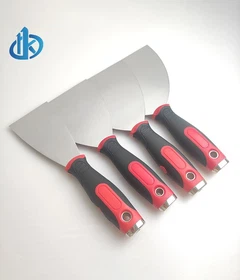
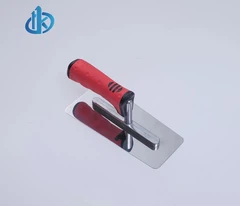


Short answer: Yeah, but it's not ideal-think of using a spoon to stir a pot of chili. It works in a pinch, but there are better tools. Let me break it down from what I've learned.
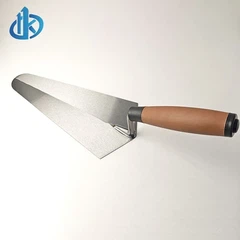
First, small concrete jobs? A brick trowel can handle it. I once used mine to patch a small crack in my driveway-scooped a little concrete mix, spread it into the crack, and smoothed it out. It worked because the job was tiny, and I didn't need a perfect finish. It's also okay for setting small concrete blocks, like the ones for a garden border-you can spread a thin layer of concrete under each block, just like you do with mortar for bricks.
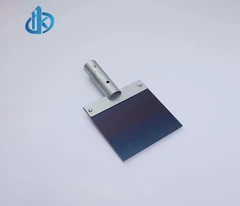
But big concrete work? Forget it. If you're pouring a patio or a sidewalk, you need a concrete trowel (the ones with long handles that let you reach across the surface). A brick trowel's blade is too small-you'll spend forever smoothing the concrete, and it'll end up uneven. I tried using my brick trowel to smooth a 4x4 foot concrete pad once-by the time I finished one corner, the other was already drying, and the surface looked like a bumpy road. Never again.
Another issue: Concrete is thicker and heavier than mortar. A brick trowel's blade can handle mortar, but concrete can make it bend if you're not careful. I had a friend who used his brick trowel to scoop wet concrete-ended up with a warped blade that was useless for brickwork after that.
So, to sum up: Use a brick trowel for concrete only if it's a tiny, quick job. For anything bigger-like pouring slabs or large patches-grab a concrete trowel. It'll save you time, frustration, and keep your brick trowel in good shape for what it's actually made for.


