
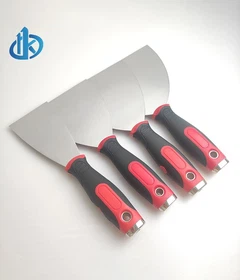
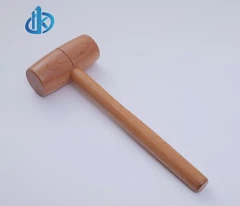


This is a question I get all the time-like, at least once a week from new woodworkers. And the short answer? Sometimes yes, sometimes no-but it's way more nuanced than that. First, let's clear up a common mix-up: wooden hammers and mallets are similar, but they're not the same thing. Mallets are usually bigger, heavier, have a larger head-often wood, rubber, or plastic. Wooden hammers? Smaller, lighter, all about precision. So whether a wooden hammer can replace a mallet depends on what you're using the mallet for.
First, let's talk about when a wooden hammer can replace a mallet-most of the time, for light to medium stuff. If you're using a mallet to tap a chisel, fit a wooden joint, or adjust a piece of furniture? A wooden hammer works great. In fact, I do this all the time. I've got a small wooden mallet, but half the time I reach for my wooden hammer instead. It's more precise-so I can get tighter joints, cleaner cuts, no over-tapping. Plus, it's lighter-my arm doesn't get tired after an hour of work, which is a big win. Let me give you an example: last month I built a small coffee table for my sister. I used my wooden hammer instead of my mallet to fit all the dovetail joints. Worked perfectly-no splits, no dents, and the joints were so tight you couldn't even fit a piece of paper between 'em. My sister still bugs me to build her another one.
But there are times when a wooden hammer just can't keep up-heavy-duty stuff, mostly. If you're using a mallet to drive wooden dowels through thick wood (like a 3-inch board), break apart old furniture, or work with stone or metal? A wooden hammer won't cut it. Mallets are bigger and heavier, so they can deliver more force without breaking. A wooden hammer? You'll either hit it, and it'll bounce off, or you'll crack the hammer itself. Trust me, I've tried. Last year I had to break apart an old wooden bookshelf to reuse the wood. I grabbed my wooden hammer first-tapped, tapped, and nothing. Just bounced off the joints, left a few dents. Switched to my rubber mallet? Three taps, and the shelf fell apart. Total night and day.
Another thing to think about: the mallet's material. If you're using a rubber or plastic mallet-common for delicate stuff like tile or glass-a wooden hammer can't replace that. Rubber and plastic are softer than wood, so they won't scratch or break those materials. A wooden hammer, even a gentle one, might leave marks. I once tried using my wooden hammer to tap a tile into place (don't ask, I was in a hurry) and left a tiny scratch on the edge. Had to buy a new tile-waste of money. So yeah, that's a no-go.
At the end of the day? A wooden hammer is a great stand-in for a small wooden mallet when you're doing light carpentry. But if you're tackling heavy work, or working with super delicate materials? You still need a dedicated mallet. No two ways about it.


