
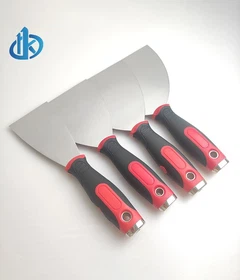







When it comes to selecting the right trowel for a job, understanding the distinctions between plastic-handle and rubber-handle trowels is crucial as they can greatly influence the overall work experience and outcome.
Beginning with the handle material characteristics, plastic handles are typically known for their rigidity. They maintain a fixed shape, providing a stable grip that allows for precise control during the application of materials like plaster or mortar. This is especially beneficial when working on detailed projects that demand accuracy, such as creating intricate tile patterns. In contrast, rubber handles offer enhanced flexibility and shock absorption. When force is applied, say during vigorous mixing or spreading of thick substances, the rubber can deform slightly, cushioning the impact on the user's hand and wrist. This reduces the risk of fatigue and potential strain injuries, making it a preferred choice for long-duration tasks.
In terms of durability in different environments, plastic handles have an edge in resistance to chemicals. If you're working with substances that could potentially damage or corrode the handle, plastic is less likely to react. For example, in industrial settings where acidic or alkaline cleaners might be present, a plastic-handle trowel can withstand exposure better. Rubber handles, on the other hand, excel in providing a non-slip grip even in wet or greasy conditions. Their tacky surface texture ensures that the trowel stays firmly in the user's hand, minimizing the chances of accidental slips. This is invaluable when working outdoors in damp weather or handling oily materials.
Aesthetically, plastic-handle trowels often come in a wide array of colors and finishes. They can be molded into sleek, modern designs that appeal to those seeking a contemporary look. Rubber-handle trowels usually have a more utilitarian appearance, but their matte, textured finish gives them a professional and durable feel.
Cost-wise, plastic-handle trowels are generally more budget-friendly due to the ease and cost-effectiveness of their manufacturing process. They are widely available at lower price points, making them accessible to DIY enthusiasts. Rubber-handle trowels, with the added cost of high-quality rubber and potentially more complex manufacturing to integrate the rubber handle properly, tend to be slightly more expensive. However, for professionals who prioritize comfort and safety during heavy use, the investment in a rubber-handle trowel can pay off. Overall, considering these differences helps users make an informed choice based on their specific needs and working conditions.


