
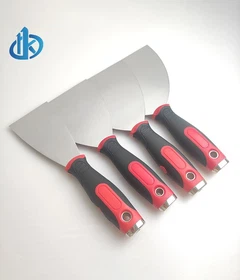
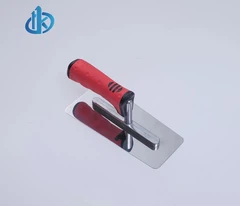
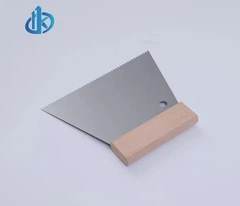
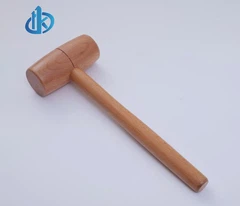


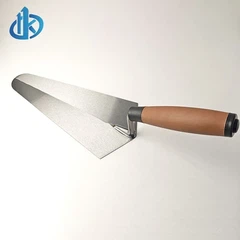

When it comes to trowels, the choice of handle material can significantly impact performance and user experience. Two popular options are plastic-handle trowels and wooden-handle trowels, each possessing distinct qualities.
Starting with the handle material itself, plastic handles offer enhanced durability in the face of moisture and harsh chemicals. In wet environments, such as during bathroom tiling projects where water is prevalent, plastic handles won't warp, rot, or absorb water like wooden ones might. This resistance to water damage ensures a longer lifespan and consistent performance. Wooden handles, on the other hand, provide a natural and comfortable grip. The texture and warmth of the wood make it pleasant to hold, reducing hand fatigue during extended use, especially in tasks that require repetitive motions like plastering walls.
In terms of weight, plastic-handle trowels are generally lighter. This makes them easier to maneuver, particularly for those with less upper body strength or when working on overhead surfaces. The reduced weight allows for more precise control, enabling users to apply and smooth materials evenly. Conversely, wooden-handle trowels can feel more substantial. While this added weight might seem like a drawback, it can actually be beneficial in some applications. For instance, when dealing with thicker or more viscous materials like heavy-duty mortar, the heft of the wooden handle can assist in applying greater force, ensuring proper spreading and leveling.
Aesthetically, plastic-handle trowels often come in a variety of bright colors. This not only makes them visually appealing but also serves a practical purpose in a busy work environment. Different colors can be assigned to specific tasks or teams, facilitating easy identification and preventing tool mix-ups. Wooden-handle trowels, with their classic and natural look, blend well with traditional or rustic settings. They offer a timeless charm that many craftsmen appreciate.
Cost-wise, plastic-handle trowels are typically more affordable. Their mass production process and lower material costs result in a budget-friendly option for DIYers and professionals alike. Wooden-handle trowels, depending on the quality of the wood used, can be pricier. However, the investment may be worth it for those who value the unique feel and durability that high-quality wood can provide. Overall, understanding these differences empowers users to choose the trowel that best suits their particular project requirements and personal preferences.


