
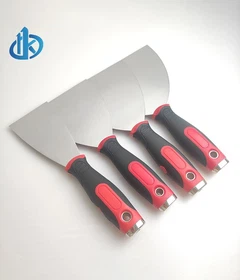
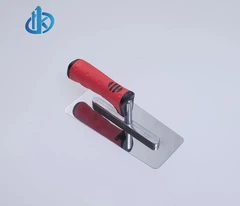
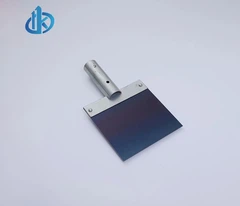

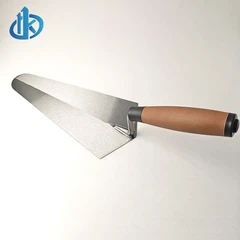

New trowels can leave marks, but it's not because they're "bad"-it's usually a case of the tool and the user getting to know each other.
Fresh out of the box, a trowel's blade might have tiny factory imperfections: a slight burr from sharpening, a rough spot in the metal, or even residual oil from manufacturing. These can leave faint streaks or scratches in wet concrete or plaster until the blade is "broken in."
Think of it like a new pair of jeans-they're stiff at first, but soften with wear.
A new trowel needs a little use to smooth out those rough edges. Rubbing the blade lightly against a piece of concrete or sandpaper before the first use can help, removing any burrs.
Technique matters too: new users might press too hard or angle the trowel unevenly, leaving marks that blame the tool instead of the motion. With a little practice and a few passes, most new trowels settle into a smooth rhythm, leaving clean, even surfaces.
So, yes, new trowels can leave marks-but it's rarely permanent. A little break-in time, and they'll be as reliable as an old favorite.


