


Oh, pros use both-they know when to reach for each one! I talked to a painter friend of mine about this, and he said he never starts a job without both in his toolbox. Let me tell you why.
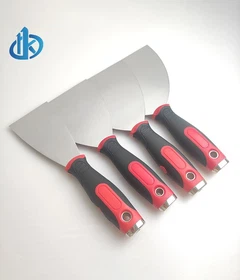
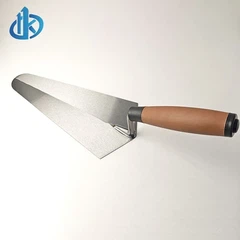
Professionals use filling knives for prepping surfaces: filling nail holes, smoothing drywall, fixing small cracks in walls or wood. They need the flexibility to get a smooth finish, especially if they're painting a room and want the walls to look flawless. My friend uses a 4-inch filling knife for most of his prep work-he says it's the "most versatile tool" he has. He even uses it to spread thin layers of joint compound on drywall seams, since the flexible blade helps blend the compound into the wall.
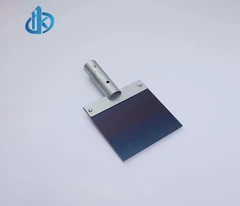
Then, putty knives are for thicker jobs: applying putty to window frames, scraping old paint, or spreading adhesive. Pros need the sturdiness of a putty knife for tough tasks-like removing old putty from a window that hasn't been fixed in 20 years. My friend has a 6-inch putty knife that he uses to scrape paint off wood trim-he says the stiff blade doesn't bend, so he can get the paint off without damaging the wood.
The key is that pros don't pick one over the other-they use each knife for its specific job. I asked my friend if he ever uses a filling knife as a putty knife, and he laughed-said it'd bend the blade and ruin the job. So if pros use both, casual DIYers should too! It'll make your projects look more professional, and save you from frustration.


