




Linyi Manufacturer Highlights the Practical Value of Wooden Tools
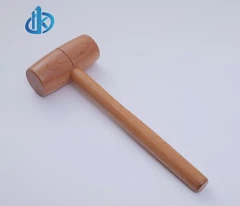
In the field of tool making, many readers recently raised the question: "Is A Wood Hammer A Physical Attack." In reality, the wooden hammer has long been a common tool in the hands of craftsmen, and its function extends far beyond the literal meaning of the phrase. Known for being lightweight and gentle on workpieces, it has always played a vital role in woodworking and carving.
The main advantage of a wooden hammer lies in its solid build and soft impact. Unlike steel hammers, it protects mortise-and-tenon joints and carved surfaces from dents, making it a preferred choice in woodworking, furniture repairs, and fine carving tasks.
Market research shows that demand for wooden hammers is steadily increasing. More professional craftsmen and hobbyists are turning to this tool not only for its functionality but also for its alignment with traditional craftsmanship and eco-friendly practices.
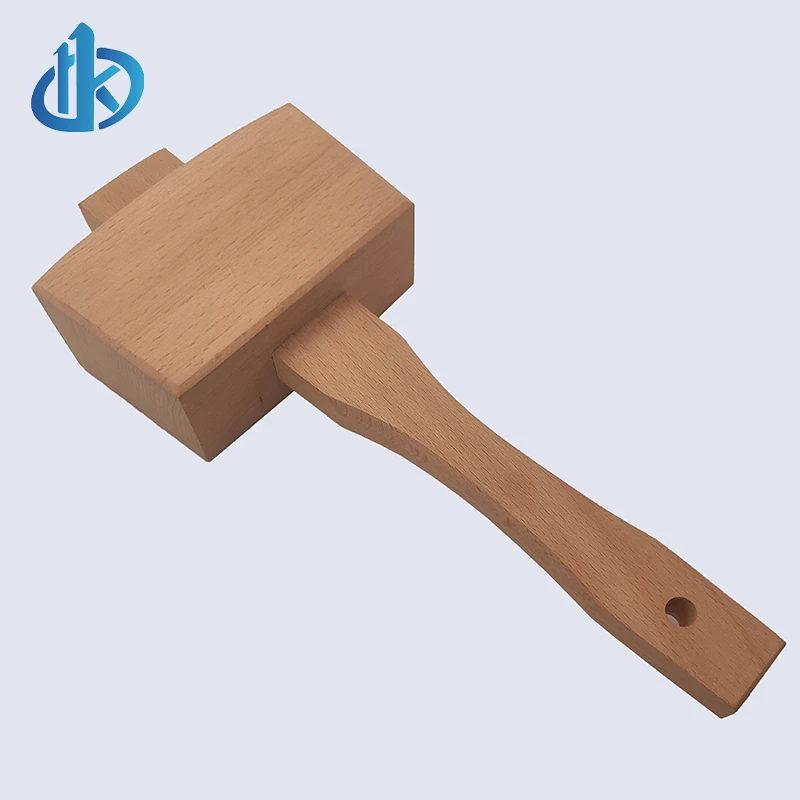
At the production facilities of Hanke Tools in Linyi, workers carefully polish each hammer. According to the company's management, with growing overseas markets, these traditional tools have been exported to Europe and the United States, earning wide recognition.
From this perspective, "Is A Wood Hammer A Physical Attack" is less about definition and more about reevaluating the cultural and functional value of the tool. The wooden hammer represents craftsmanship and practicality, not an abstract idea of force.
Industry experts believe that with the revival of handcrafts and rising demand for quality tools, the market potential for wooden hammers will continue to grow. Chinese tool manufacturers, particularly Linyi-based factories, are expected to play a significant role in this trend.


