
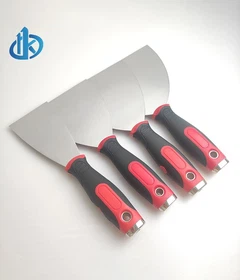
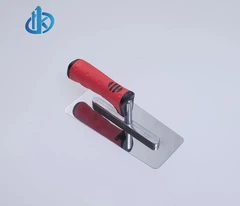
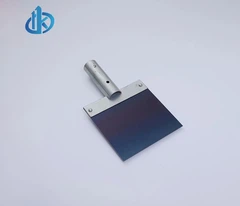

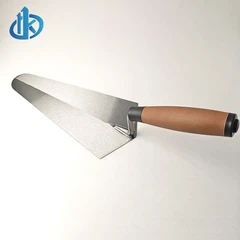

If you've ever tried to ice a cupcake with a shovel, you already know the answer: yes, trowel size matters-a lot. It's not just about looking professional; it's about making your job easier, cleaner, and way less frustrating.
Think of trowel sizes as shoe sizes: a 4-inch trowel is like a pair of ballet flats-tiny, precise, perfect for tiptoeing around small spaces. It's ideal for patching holes, grouting between tiny tiles, or smoothing compound in tight corners. Trying to use a big trowel here would be like wearing boots to a yoga class-cumbersome and counterproductive.
Move up to an 8-inch trowel, and you're in sneaker territory-versatile enough for everyday tasks. This size handles spreading mortar for brickwork, applying thinset for medium-sized tiles, or feathering drywall compound over seams. It's the Goldilocks of trowels-not too big, not too small, just right for most jobs.
Then there's the 12-inch giant, the workboot of trowels. This one's built for covering large areas: laying down concrete for a patio, smoothing plaster over walls, or spreading adhesive for flooring. It's like swapping a spoon for a ladle when serving soup-gets the job done in half the time.
But here's the secret: size dictates control. A trowel that's too big will leave lumps and uneven patches, while one that's too small will have you making a hundred tiny passes, wasting time and energy. So, match your trowel to the task, and you'll wonder how you ever struggled with the wrong size.
Our Products


