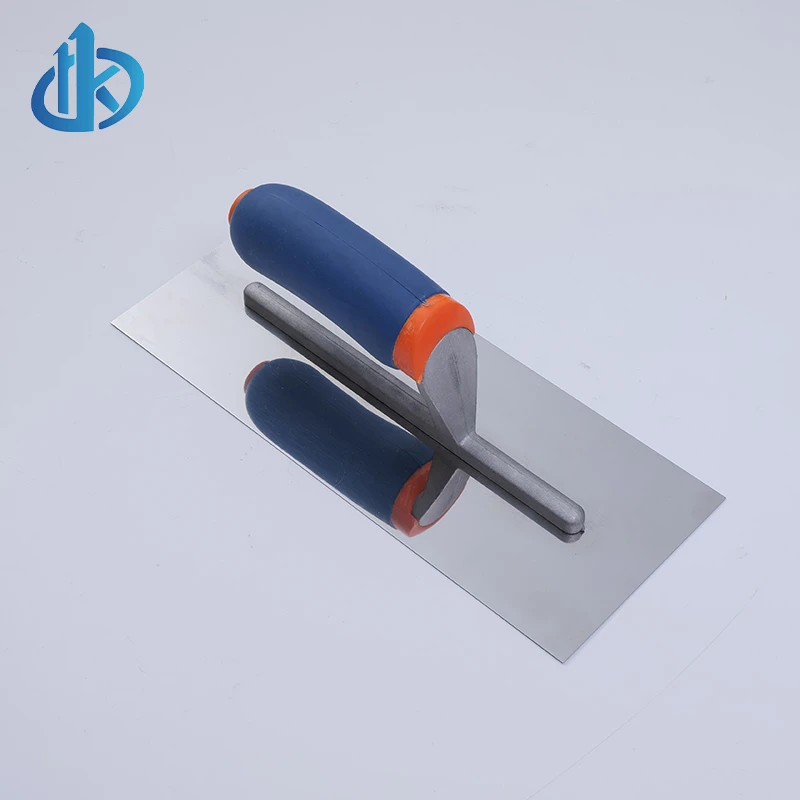
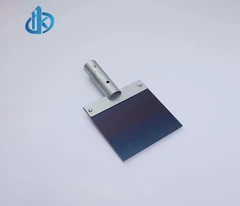

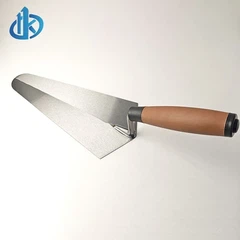

If tools were superheroes, the trowel would be the Swiss Army Knife of the construction world-quietly versatile, always ready to save the day, and never without a job to do. This unassuming flat blade with a handle is the workhorse behind some of the most satisfying DIY moments, from laying a brick path to smoothing a wall for paint.
Let's start with the basics: spreading materials. Whether it's mortar for bricks, thinset for tiles, or joint compound for drywall, the trowel is your material's personal chaperone, making sure it gets where it needs to go-evenly and without drama. Its flat, rigid surface presses materials into place, eliminating air bubbles that could turn your project into a disaster later. Ever wonder how tiles stay stuck to walls? Thank the trowel for spreading that thinset like a pro.
But it's not just about slapping stuff down-it's about shaping, too. A trowel can carve grooves into wet mortar to help bricks bond better, or smooth a concrete surface until it's as flat as a pancake. Gardeners even swear by small trowels for planting bulbs or digging up weeds-proof that this tool isn't afraid to get its hands dirty, whether indoors or out.
Need to clean up? The trowel's edge is sharp enough to scrape away dried mortar from bricks or excess grout from tiles, turning a messy job into a tidy one. It's like having a tiny bulldozer and a precision scraper in one-handy, right?
From building a backyard fire pit to fixing a hole in the wall, the trowel is there, silently proving that great things come from simple tools. It's not flashy, but without it, our homes, gardens, and DIY dreams would be a lot less sturdy-and a lot more lopsided.