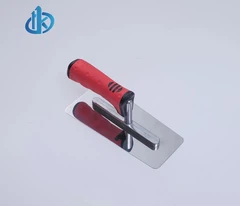

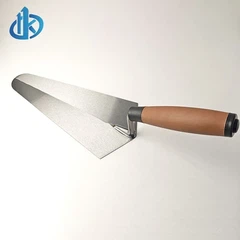

Let's be real: holding a trowel for the first time feels like trying to eat soup with a fork-awkward, messy, and slightly comical. But fear not, because mastering this humble tool is less about brute strength and more about finesse. Think of it as a dance between your hand and the material-once you find the rhythm, it's smooth sailing.
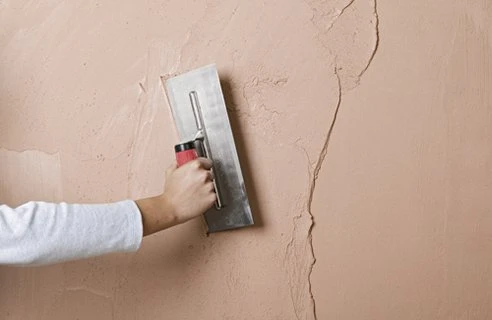
First, grip it like you're shaking a friend's hand-not too tight, or your wrist will cramp; not too loose, or it'll slip mid-swipe. The sweet spot? Fingers wrapped comfortably around the handle, thumb resting gently on top for control. Now, load up the trowel with material, but don't overdo it-you're not trying to carry a mountain, just a small hill. A heaping tablespoon's worth is a good start for beginners.
Next, angle is everything. Hold the trowel at a 45-degree angle to the surface when you start spreading. It's like slicing bread-too steep, and you'll dig into the loaf; too flat, and you'll squish it. Push the material forward with a steady, even pressure, letting the trowel's edge do the work. Wrists, not elbows, should lead the movement-imagine you're writing a long, flowing sentence with the trowel tip.
When you need to smooth out ridges, flip the script: flatten the trowel to a 15-degree angle and glide it lightly over the surface, almost like skimming a stone across water. This "feathering" motion blends the edges into the wall, leaving a finish so smooth you'll want to run your hand over it (go ahead, we won't judge).
Pro tip: Keep the trowel clean between swipes. A glob of dried mortar or compound on the edge is like a pebble in your shoe-it'll ruin your stride. Wipe it off with a damp sponge, and you're good to go.
Practice on a scrap piece of drywall or concrete first. You'll make a few lumpy messes-we all do. But soon, that trowel will feel like an extension of your arm, and you'll be spreading material with the confidence of a pro who's been doing it for decades. Remember: even Michelangelo fumbled with his tools before painting the Sistine Chapel.