


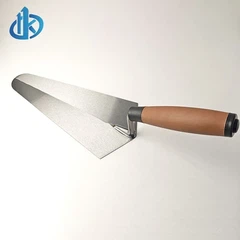


How does a scraper look? - Understanding the Shape of a Simple but Essential Tool
At first glance, a scraper seems like a basic hand tool. But behind its seemingly simple structure lies careful design, tailored for precision and durability. For beginners in home improvement or surface prep, one common question is: "What does a scraper actually look like?"
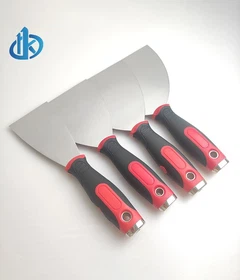
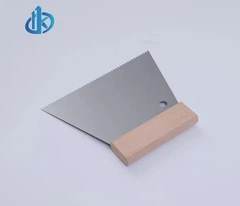
Typically, a scraper features a flat or slightly curved blade, often made of stainless steel for its hardness and resilience. The edge is finely ground to help strip away paint, glue, or other residues efficiently. Blade widths vary-from narrow tips for corners to wider formats for large surface areas. Some scrapers even feature angled heads to access tight edges more easily.

The handle is equally important. It can be made of wood, plastic, or a rubber-plastic blend, and is designed for a secure, comfortable grip. The overall form is minimalist yet built for performance-sturdy enough for repeated use, with enough ergonomics to reduce fatigue during long tasks.
Hanke Tools, a trusted Chinese manufacturer with nearly 30 years of experience in hand tool production, emphasizes the difference between cheap, poorly designed scrapers and professional-grade ones. Inferior tools often bend, fatigue the hand, or damage the surface. A well-designed scraper, on the other hand, offers durability, stability, and a much smoother user experience.
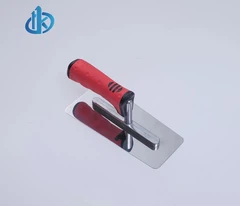
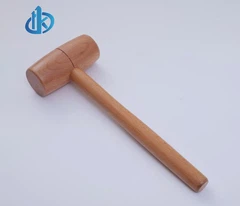
From putty knives and trowels to scrapers and wood tools, Hanke Tools' product lineup supports a wide range of industrial, construction, and renovation tasks. Each scraper is refined through real-world testing, prioritizing ease of use and consistent results.


