




How to make a good scraper? - What Goes Into Building a Reliable Tool
A great scraper isn't just a combination of blade and handle. It's the result of thoughtful engineering, durable materials, and precise manufacturing. Every step-from raw steel selection to handle design-shapes how well the tool performs.
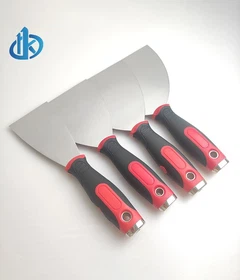
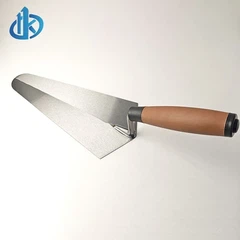
The blade is the heart of a scraper. High-quality models use stainless or high-carbon steel, heat-treated for strength and flexibility. A good blade must stay sharp while resisting warping or edge curling after repeated use. Finishing also matters-anti-rust coating or polished surfaces make cleanup easier and extend the tool's working life.

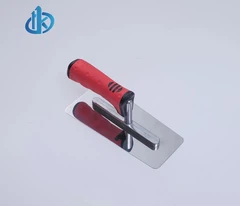
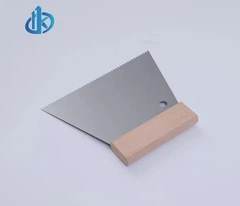
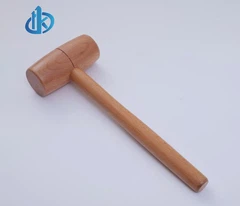
The handle is just as important. Ergonomic contours allow for a secure grip. Rubber-plastic composites or solid wood handles are preferred for both comfort and control. Where the blade meets the handle, sturdy assembly is essential-fixed inserts or rivets are common methods to prevent loosening during use.
Hanke Tools, a specialist in hand tools with nearly 30 years of experience, explains that a good scraper isn't just built-it's tested. Every scraper they produce, from design to final inspection, is treated as a precision instrument. Hanke's product lines include scrapers, trowels, putty knives, and wooden tools-all built with the same focus on quality and usability. When every detail is right, a scraper becomes more than a tool-it becomes part of the craftsman's hand.


