
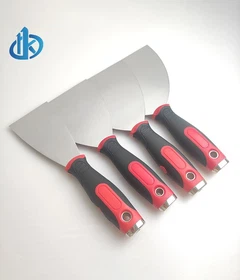
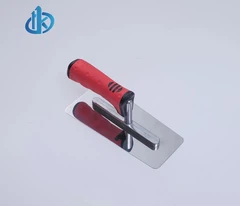
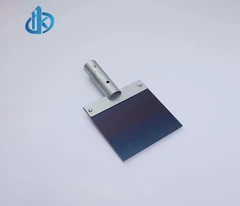

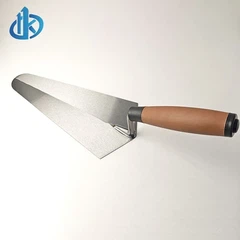

You know, when it comes to how long a plastering trowel sticks around, it's a bit like a relationship-it depends on how much love and care you pour into it. If you treat it right, it can be your loyal sidekick for years. But neglect it, and it'll give up on you pretty quickly.
Let's start with the material. Stainless steel trowels are like the sturdy oaks of the trowel world. If you clean them after each use, give them a little oil now and then, and store them safely, they can easily last 5 to 10 years. I know a professional plasterer who's been using the same stainless steel trowel for 15 years! He swears by it. But if you choose a plastic trowel, well, don't expect it to be with you for long. Plastic trowels are prone to bending, scratching, and cracking. Even with light use, you might be lucky if it lasts 6 to 12 months. They just don't have the durability of their metal counterparts.
Maintenance is the name of the game. I once had a friend who thought he could skip cleaning his trowel after a job. Big mistake. The plaster dried and caked on, and within a couple of years, the blade was so scratched and rusted that it was practically useless. Cleaning your trowel right after use is non - negotiable. Then, drying it thoroughly and applying a thin layer of oil helps prevent rust, especially for carbon steel trowels.
How often you use your trowel also plays a role. If you're a DIY enthusiast who only breaks out the trowel once or twice a year for a small project, it's going to last a lot longer than if you're a professional who uses it every single day. But even pros can get years out of a good trowel by taking proper care of it. My stainless steel trowel, which I use about once a month for various small jobs, is still in great shape after six years.
In a nutshell, a well - maintained stainless steel or carbon steel trowel can be a long - term investment. Plastic trowels? They're more like a short - fling. Treat your trowel with respect, and it'll be there for you through all your plastering adventures.


