
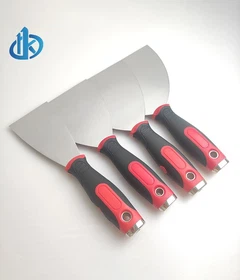
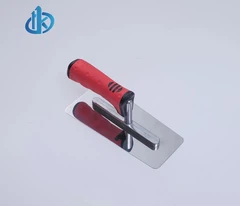
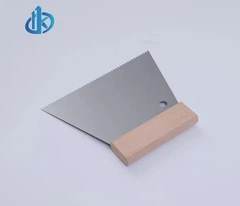
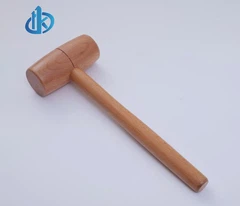
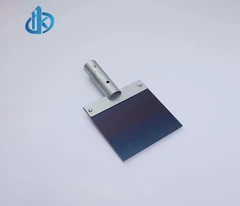

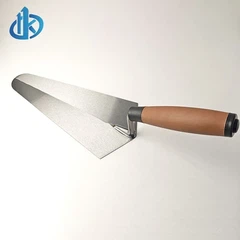

The lifespan of a plastering trowel can vary significantly based on several factors, and understanding these elements helps users maximize its utility and make informed decisions about replacement.
Quality of the Trowel is a primary determinant. High - end plastering trowels, often made from premium stainless steel or high - carbon steel, are designed to resist corrosion, wear, and deformation. These materials can endure the rigors of repeated use, allowing such trowels to last for 5 to 10 years or even longer under normal working conditions. On the other hand, budget - friendly trowels with lower - quality materials may start to show signs of rust, blade warping, or handle breakage within 1 to 2 years, especially when used frequently.
Frequency and Intensity of Use also play crucial roles. For professional plasterers who use trowels daily on large projects, wear and tear occur much faster. Constant contact with abrasive plaster materials, as well as the force applied during spreading and smoothing, gradually degrade the blade and handle. In such cases, a trowel might need replacement every 2 to 5 years. In contrast, for DIY enthusiasts who only use the trowel occasionally for small home projects, it can easily last 10 years or more.
Maintenance Practices have a profound impact on a trowel's lifespan. Regular cleaning after each use to remove dried plaster is essential. Plaster left on the blade can harden, making it difficult to remove later and causing scratches and pitting on the surface. Applying a light coat of oil to the blade helps prevent rust, especially for steel trowels. Additionally, storing the trowel in a dry place and avoiding impacts or drops that could damage the blade or break the handle can extend its life significantly. Trowels that are well - maintained can outlast those that are neglected by several years.
Type of Plastering Work matters too. Working with aggressive or coarse - textured plasters can accelerate the wear of the trowel blade compared to using smoother, finer - grained products. For example, trowels used with heavy - duty, quick - setting plasters may experience more rapid deterioration than those used with standard gypsum - based plasters.
In conclusion, while it's challenging to give a definitive answer, a plastering trowel's lifespan can range from 1 to 10+ years. By investing in a high - quality tool, using it moderately, and maintaining it properly, users can ensure that their plastering trowel serves them well for an extended period.


