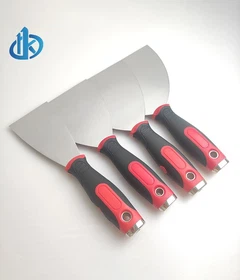
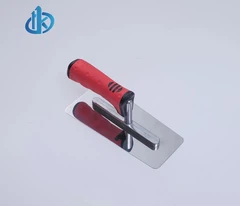



Troweling concrete is a crucial step in the construction process that significantly impacts both the durability and appearance of concrete surfaces. Here's why this practice is essential in construction projects.
Firstly, troweling enhances the strength and durability of concrete. When freshly poured, concrete contains air pockets and unevenly distributed aggregate. Troweling helps to eliminate these air voids by pressing the aggregate deeper into the mixture and forcing out trapped air. This compaction process improves the concrete's density, making it more resistant to cracking, chipping, and wear over time. Additionally, troweling closes the surface pores of the concrete, reducing the penetration of water, chemicals, and other contaminants. As a result, the concrete becomes more resilient to freeze - thaw cycles, corrosion, and chemical attacks, extending its lifespan.
Secondly, troweling is vital for achieving a smooth and aesthetically pleasing finish. Whether it's a driveway, patio, or interior floor, a well - troweled surface provides a uniform and professional look. By removing ridges, bumps, and excess moisture from the surface, troweling creates a flat and sleek finish that is not only visually appealing but also easier to clean and maintain. Different troweling techniques can also be used to create various textures, from a highly polished look to a more textured, slip - resistant surface, depending on the project's requirements.
Another important reason for troweling concrete is to improve its workability during the setting process. As concrete begins to harden, troweling helps to redistribute the moisture within the mixture, preventing premature drying and cracking. This process, known as "floating," allows workers to continue working with the concrete for a longer period, making it easier to correct any imperfections and ensure a consistent finish.
Troweling also plays a role in the curing process of concrete. By creating a smooth surface, it helps to retain moisture within the concrete, which is essential for proper hydration and strength development. Adequate moisture retention during curing ensures that the concrete reaches its maximum strength potential.
In addition, troweled concrete surfaces are more resistant to abrasion and mechanical damage. The compacted and smoothed surface can better withstand the impact of foot traffic, vehicle loads, and the wear and tear of daily use. This is especially important for high - traffic areas such as sidewalks, factory floors, and parking garages.
In conclusion, troweling concrete is not just a finishing touch but a critical operation that contributes to the structural integrity, appearance, workability, and long - term performance of concrete structures. It is a practice that combines functionality and aesthetics, ensuring that concrete surfaces are both durable and visually appealing.