
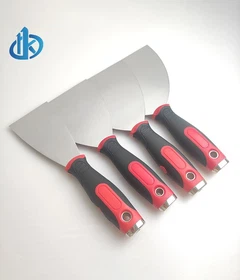
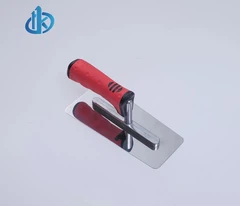
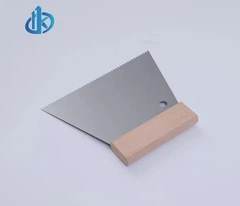
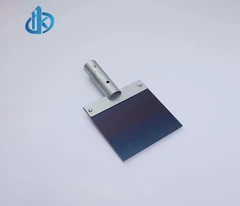

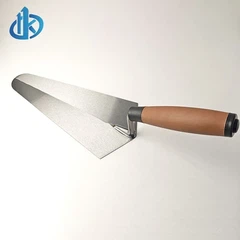

If you're tackling drywall-whether it's a tiny nail hole from hanging a picture or an entire wall you're patching-picking the right putty knife is like choosing the right brush for a painting. Mess it up, and the whole thing looks off. So let's cut through all the nonsense and figure out what you actually need, no fancy jargon required.
First, blade size. Drywall work isn't one-size-fits-all-trust me, I've tried using a big 6-inch blade on a tiny nail hole and ended up with mud everywhere. For small patches (nail holes, little dents from moving furniture), a 1-2 inch blade is your best friend. It's precise enough to get in tight spots without making a huge mess. But if you're feathering edges or covering bigger gaps? Go big-3-6 inch blades are perfect for spreading a thin, even layer that blends right into the wall. No more lumpy edges that you have to sand for hours!
Next, blade material-this is non-negotiable, guys. For drywall, you want something tough but not too rigid. Stainless steel? Total rockstar here. It resists rust (super important when you're working with wet mud-nothing worse than a rusty blade ruining your fresh patch!) and has just enough give to smooth out compound without bending forever. Avoid flimsy carbon steel-you'll spend half your time straightening it out, and that's just annoying. And plastic blades? Forget about it. They're great for kids' crafts, but press them into drywall mud and they'll crack or warp before you know it. I tried that once, and it was a disaster.
Then, test the handle. Hold it like you're actually using it-spread some imaginary mud, push a little like you're smoothing it out. If your fingers feel cramped after 30 seconds, put it back on the shelf. Look for ergonomic handles with rubber grips-they distribute pressure evenly, and your wrists will thank you after a long day of mudding. Also, check the blade-to-handle connection! Wiggle the handle-if it moves even a little, that's a disaster waiting to happen. Go for knives with rivets or welding, not just glue. Those glued handles? They'll pop off mid-project, and you'll be covered in mud, ready to scream. I've been there, and it's not fun.
Finally, don't skip the edge! Run your finger super gently along the blade (don't cut yourself-trust me, that's a bad way to start a project!)-it should feel sharp and smooth, not jagged. A dull edge will tear at the drywall paper and leave uneven lines, which means more sanding later. And here's a pro tip: spend a little extra. A 10−20 knife will last for years, while a $2 one will bend on day one. I've wasted so much money on cheap knives, and I always regret it. Learn from my mistake!
Remember: drywall is all about precision, so your tool should be too. Pick the right one, and you'll have walls that look like a pro did them-even if it's your first time. No one needs to know you're totally winging it!


