
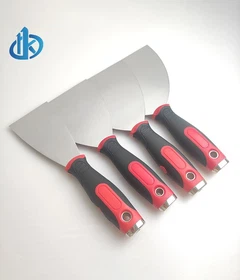
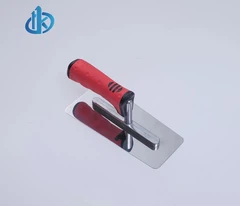
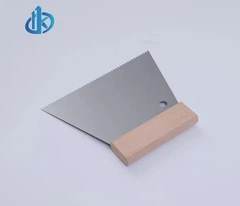
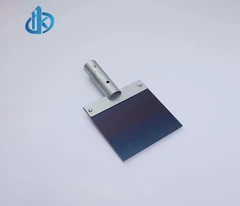

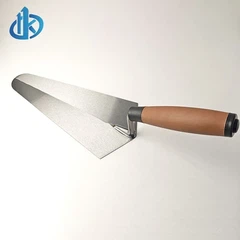

We've all grabbed one of those cheapo putty knives from the dollar bin, right? And then bam-the second you press it into drywall mud, it bends like a wet noodle. Total waste of a buck! So what's the difference between those "use once and toss in the trash" duds and the ones that stick around for years, actually helping you get the job done without wanting to scream?
First off, it's all about the blade. A good putty knife doesn't feel like it'll snap if you so much as glance at it-it's got a solid backbone. Usually, that means thick-gauge metal, the kind that holds its shape even when you lean into it a little. Think of it like a good pair of jeans-sturdy as all get-out, but still flexible enough to move with you, not against you. No one wants a blade that's so rigid it cracks, or so flimsy it bends permanently. I once had a cheap one that bent just from scraping off a little old paint-total joke.
Then there's the edge-oh man, the edge matters SO much! Have you ever tried spreading spackle with a blade that's duller than a butter knife that's been used for 10 years? It's a nightmare. You end up with lumps everywhere, streaks that won't go away, and you're just sitting there like, "Why did I even start this DIY mess?" Top-tier knives? Their edges are sharp, precision-ground, and they glide through compound like a hot knife through butter. Every single time, you get that smooth finish you're after-no frustration, no do-overs. It's like night and day.
And let's not forget the handle! A great handle isn't just something to hold onto-it's like a little partner in crime. Look for ones made of rubber or that ergonomic plastic, the kind that fits your hand like a glove. Trust me, after an hour of slathering mud on the wall, you'll be so glad you didn't pick one with a tiny, hard plastic handle-your wrist won't be screaming at you like mine did that one time I used a dollar-store knife for a whole afternoon.
Oh, and the little details? They add up, big time! Like full-tang construction-yeah, that just means the blade goes all the way into the handle, not just glued on. Glued handles? They pop off mid-project, and then you're covered in mud, holding a blade in one hand and a handle in the other. Not fun. Or a rust-resistant coating-leave it out overnight by accident? No biggie, it'll still look and work like new. I've done that more times than I'd like to admit, and my good knife still hasn't rusted a bit.
At the end of the day, a high-quality putty knife isn't just a tool. It's a time-saver, a frustration-avoider, and the kind of thing you'll pass to a friend who's just getting into DIY. Because let's be real-nobody wants to fight with a bad tool when they're trying to make something look good. It's just not worth the headache.
putty knife from hanke tools


