



How to trowel finish? - Mastering the Technique for Smoother Concrete Surfaces
Recently, "How to trowel finish?" has emerged as a trending search term on various international building material platforms, highlighting the growing attention among construction professionals toward the craft of concrete surface finishing. Mastering the right troweling process not only determines the flatness and strength of a concrete floor, but also plays a critical role in achieving the desired look and long-term durability.
According to engineers at Hanke Tools, the trowel finish process typically involves two stages: initial troweling and final troweling. The initial pass should be done once the concrete has started to set-firm enough to leave shallow footprints without sticking to shoes. This stage helps flatten the surface and close up pores. The second pass, or final troweling, should begin once the concrete reaches a firmer set. This enhances surface density and gloss. If power trowels are used, timing is essential-apply only when the surface can support the machine's weight without damage.

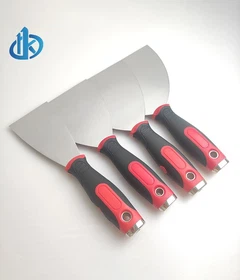
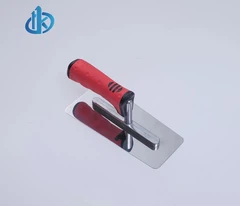
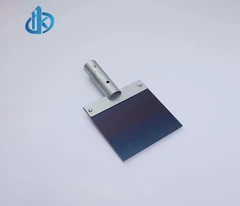
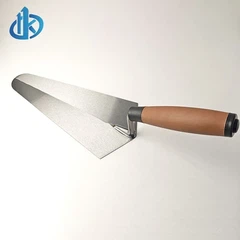
In manual finishing, choosing the right trowel makes a significant difference. Hanke Tools offers a professional line of stainless steel trowels and magnesium hand floats, both known for their resilience and flexibility across a variety of job site conditions. The blade edges are repeatedly polished to provide smooth results without leaving marks. Meanwhile, ergonomic rubber-plastic handles help reduce hand fatigue during extended use.
Different job settings also call for different troweling techniques. Industrial floors that require a highly compacted finish benefit from multiple cross-directional passes. In contrast, interior residential floors may focus more on shine and detail, where using curved-edge trowels can elevate the visual finish.
Hanke Tools emphasizes that troweling is not simply about smoothing the surface-it is a highly technical task. Timing, technique, and tool selection are essential skills every professional installer should develop to ensure the best results.


