
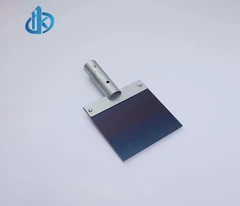

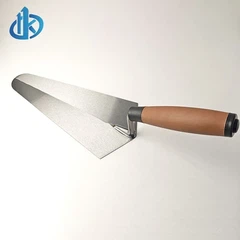

Black algae scraper vs. putty knife-are they long-lost twins separated at birth, or distant cousins who barely recognize each other at family reunions? Let's clear the air: They're related, sure, but they've got very different day jobs, and mixing them up is like asking a chef to fix your car-they might try, but it won't end well.
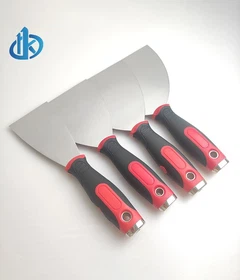
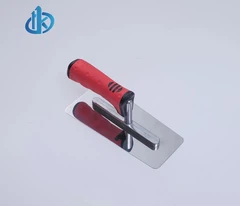
A putty knife is the Swiss Army knife of the tool world-flat, versatile, and always ready to lend a hand. It's the multitasker who can handle a little bit of everything: spreading wood putty to fill nail holes, scraping old paint off windowsills, prying up loose floor tiles, or even opening a stubborn can of paint (though we won't tell the manufacturer we said that). Its blade is usually flexible, with a smooth edge that's good for spreading and lifting, but not for digging into tough, porous surfaces. It's like the friend who's great at helping you move furniture but would struggle to climb a mountain-useful in many scenarios, but not built for extreme challenges.
A black algae scraper, though? That's a specialist. It's the mountain climber of tools, designed specifically to battle one enemy: tough, slimy black algae in pools. This stuff isn't your average green slime-it's a stubborn, spore-producing menace that clings to pool walls, floors, and even ladders like a bad habit. It burrows into tiny cracks and porous surfaces, making it hard to remove with just chemicals. That's where the algae scraper comes in.
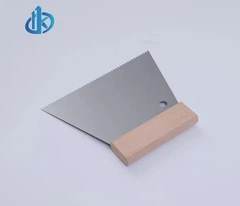
Algae scrapers often have stiffer blades than putty knives, sometimes made of stainless steel or hard plastic, to withstand the pressure needed to dislodge the algae. Many have serrated edges or small bristles that act like tiny claws, digging into the algae's hold and scraping it loose. Some even have long handles so you can reach the deep end without diving in, which is a huge plus when you're wearing swim trunks instead of work gloves. They're like the algae's worst nightmare-sharp, focused, and relentless in their mission.
A putty knife can try to scrape algae, sure. Its flat blade might lift some of the surface slime, but it won't get into the nooks and crannies where the algae hides. Its blade is too flexible, so when you press down, it bends instead of digging in, leaving most of the algae intact. It's like using a butter knife to cut through a steak-possible, but messy and inefficient, and you'll probably end up with more frustration than results.
So, same family? Maybe, if we're talking about flat, handheld tools with blades. Same job? Nope. Leave the algae fighting to the pros (the scrapers) and let the putty knife stick to its day job of smoothing, spreading, and scraping non-slimy surfaces. Your pool (and your patience) will thank you for respecting their specialties.


