
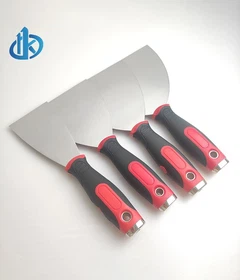
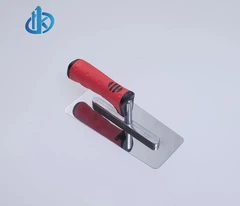
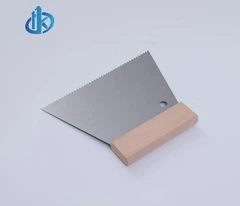
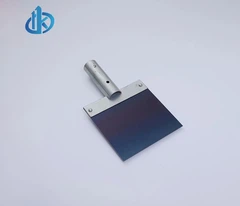

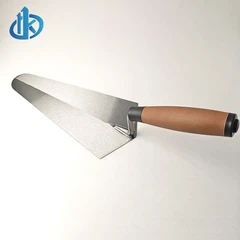

Putty spatulas-those handy little tools that smooth, scrape, and spread-are like the unsung heroes of DIY. They're the first tool you grab when you need to fill a hole, remove old caulk, or apply joint compound, but have you ever stopped to wonder what makes them so reliable? Let's peek under the hood (or, more accurately, at the blade) to find out.
The most common metal you'll find in putty spatulas is carbon steel. It's the bread and butter of the spatula world, and for good reason. Carbon steel is tough-tough enough to handle the scraping of old paint or the prying of loose floor tiles without bending or breaking. It's also affordable, which is why you'll see it in most basic spatula sets at hardware stores. But its real superpower? It holds a sharp edge like a pro. That sharpness is key when you need to get into tight corners or scrape away thin layers of gunk without leaving a trace. Think of it as the reliable workhorse of the metal world-no frills, just consistent performance, like a trusty pickup truck that never lets you down.
Then there's stainless steel, the fancy cousin in the spatula family. Stainless steel is carbon steel with a dash of chromium (usually around 10-12%), which gives it a shiny, corrosion-resistant finish. This is a game-changer if you're working with water-based compounds, like latex caulk or joint compound that's mixed with water, or if you're using the spatula in damp areas-say, a bathroom renovation or an outdoor project in the rain. No more worrying about your spatula turning into a rusty mess after a long day of work. It's a bit pricier than carbon steel, but worth it for the durability, especially if you're a frequent DIYer who wants a tool that'll last for years. Plus, that shiny surface is easier to clean-just a quick wipe with a damp cloth, and it's ready for the next job.
Occasionally, you might find spatulas with tempered steel blades. Tempered steel is any steel that's been heat-treated to make it stronger and more flexible. The process involves heating the metal to a high temperature, then cooling it quickly (usually in water or oil), which changes its molecular structure. The result? A blade that can bend slightly under pressure-say, when you're spreading putty over an uneven surface-and then snap back to its original shape without breaking. It's like the athlete of the bunch, combining strength with flexibility, perfect for jobs that require a little give. You'll often find tempered steel in higher-end spatulas, designed for professionals or serious DIYers who need a tool that can handle a variety of tasks.
Oh, and for lighter jobs, some spatulas have plastic blades-but those aren't metal, so we'll ignore them for now (though they're great for delicate surfaces like glass or painted walls). There are also specialty spatulas made with chrome-plated steel, which adds an extra layer of protection against rust and gives the blade a mirror-like finish, but these are less common and usually more expensive.
So whether it's carbon steel, stainless, or tempered, each metal brings its own superpower to the table. Carbon steel is the budget-friendly workhorse, stainless steel is the rust-resistant champion, and tempered steel is the flexible all-star. No wonder putty spatulas are a DIYer's best friend-they're built to adapt to whatever job you throw their way.
products of hanke tools


