
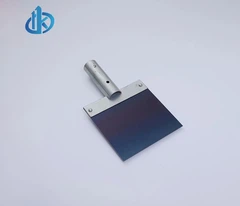

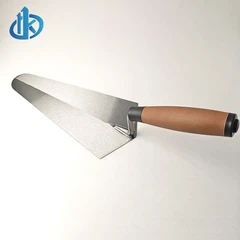

Choosing between steel and plastic putty knives is like choosing between a leather jacket and a windbreaker-both keep you covered, but one's built for durability, and the other for specific, gentle jobs.
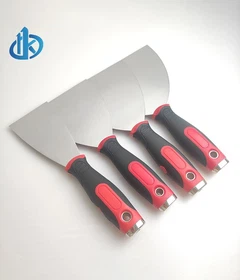
Let's start with steel. This is the workhorse. It's tough, sharp, and built to last. Need to scrape off layers of old paint? Chip away at concrete splatters? Steel digs in without flinching. I've had the same steel knife for years, and even after prying, scraping, and bending (accidentally), it still holds its edge. But here's the thing: steel is hard. Use it on delicate surfaces-like a brand-new car's paint, a vintage guitar finish, or a fragile tile-and you might leave scratches. It's like using a hammer to hang a picture: effective, but overkill for the soft stuff.
Now, plastic. It's the gentle giant. Soft, flexible, and totally scratch-proof, it's perfect for jobs where you need to be careful. Polishing a car and found a glob of tar? A plastic knife scrapes it off without marring the paint. Working on a painted wall with a delicate finish? Plastic glides over it, no damage done. But there's a catch: it's not as strong. Press too hard on a thick, crusty layer of glue, and the blade might bend or even snap. I once tried using a plastic knife to remove old caulk from a bathtub, and it warped like a pretzel.
So, which is better? It depends on your dance partner. Steel is for rough, tough jobs where strength matters. Plastic is for the delicate stuff, where a light touch is key. Smart move? Keep both. I've got a steel one in my garage for heavy work and a plastic one in my car for those unexpected "oops, I need to scrape this" moments. Because when it comes to tools, versatility wins.


