
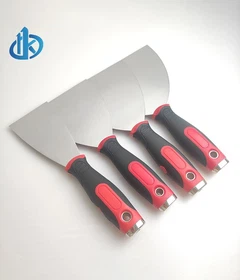
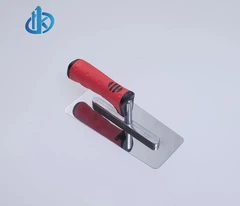
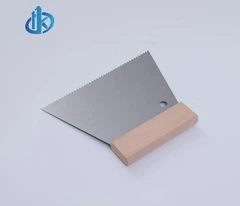
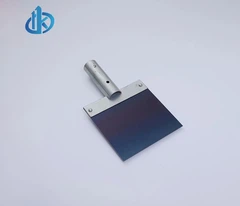

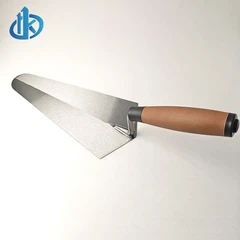

Think of a scraper and a putty knife as distant cousins in the toolbox-related, but with very different day jobs. Let's start with the scraper: it's the tough, no-nonsense one, built to dig in and lift gunk. Most scrapers have a thin, sharp blade, often made of high-carbon steel, honed to a fine edge that can slice through paint, glue, or old caulk like a hot knife through butter. Their handles are usually sturdy, designed to take a firm grip when you're leaning into a stubborn spot-say, peeling linoleum or a decades-old layer of wallpaper paste.
Now the putty knife? It's the smoother operator, more about spreading than scraping. Its blade is broader and less sharp, with a slight flex that lets it glide over surfaces. Think of it as a precision spreader: perfect for slathering spackle into nail holes, smoothing joint compound over drywall seams, or even applying wood filler to scratches. You'll notice putty knives often have handles that are ergonomically curved, making it easy to apply steady pressure without cramping-handy when you're trying to get that flawless, flat finish before painting.
Here's a quick litmus test: if the job involves removing something sticky, crusty, or unwanted, reach for the scraper. If it's about applying and smoothing a material-putty, filler, glaze-that's the putty knife's territory. I once tried using a scraper to apply wood putty, and it was like trying to butter toast with a razor blade: messy, uneven, and totally unnecessary. Lesson learned: let each tool do what it's born to do.


